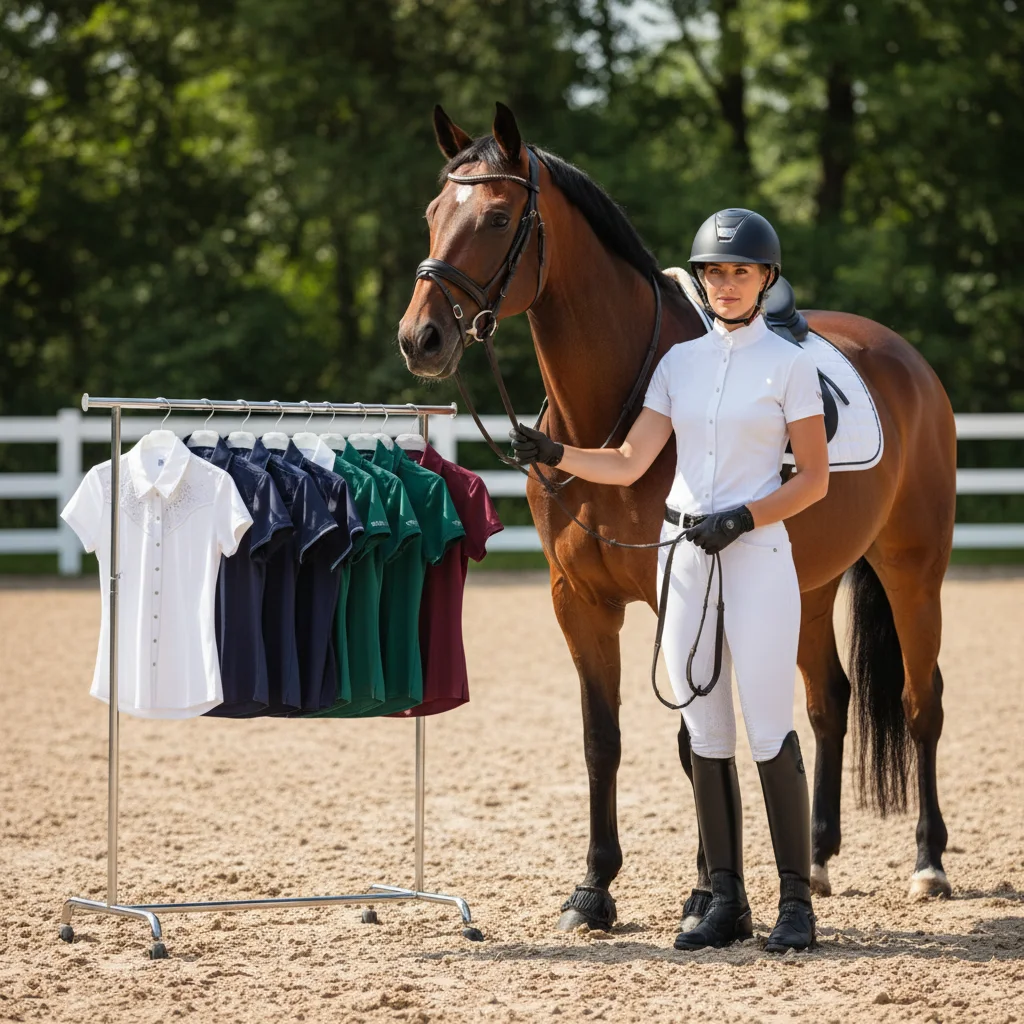
You've probably never thought about why a shirt is called a polo shirt. You just wear one. Maybe you've even worn one while riding.
But the name isn't a coincidence or a marketing accident. It traces straight back to the dusty Argentine fields and British colonial polo grounds of the 19th century. Riders there needed a shirt that could handle the speed, sweat, and sun of the sport.
That history runs deep. The collar, the fabric, the fit — each detail has real thought behind it. This article breaks all of that down.
New to the saddle and not sure what to wear? Or just curious about how equestrian fashion history shaped one of the world's most iconic garments? Either way, you'll leave knowing why the custom polo shirt was built for riding from day one.
The Surprising Origin Story: How the Polo Shirt Got Its Name from Horse Riding
The word "polo" in polo shirt isn't branding. It's a bloodline.
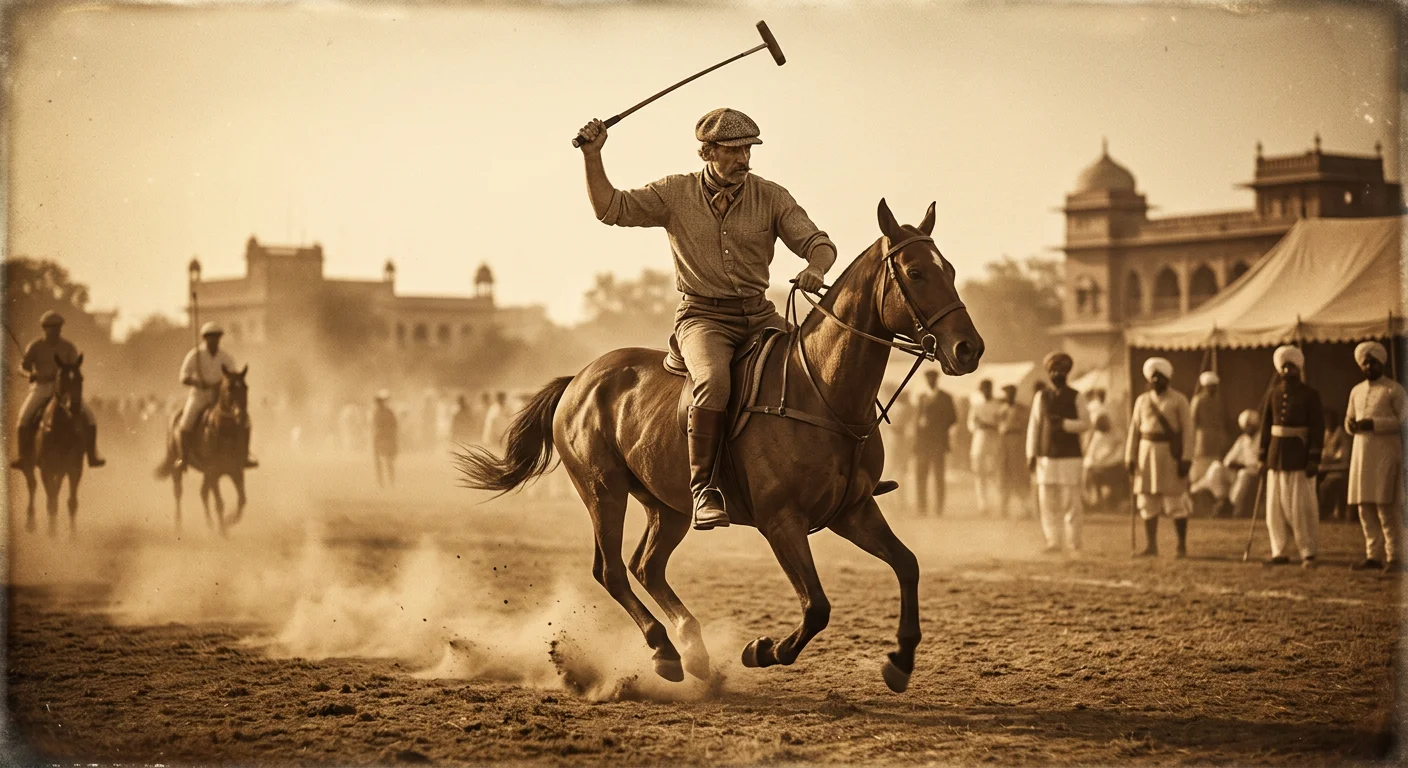
Go back far enough and you land in ancient Persia, around 600 BCE. That's where polo started — not as a sport, but as a cavalry training exercise. It was a way to train soldiers on horseback. The word "polo" comes from the Tibetan "pulu," meaning ball. Centuries later, British military officers found the game in colonial India and brought it back to England in 1871.
Here's where the shirt enters the story.
Riders in mid-19th century India needed something practical. The subtropical heat was brutal. Long formal sleeves and stiff collars weren't working. So players started wearing lightweight shirts with buttoned-down collars. They could flip those collars up to protect their necks from the sun. The fabric was knit to let air through. Every detail had a job to do.
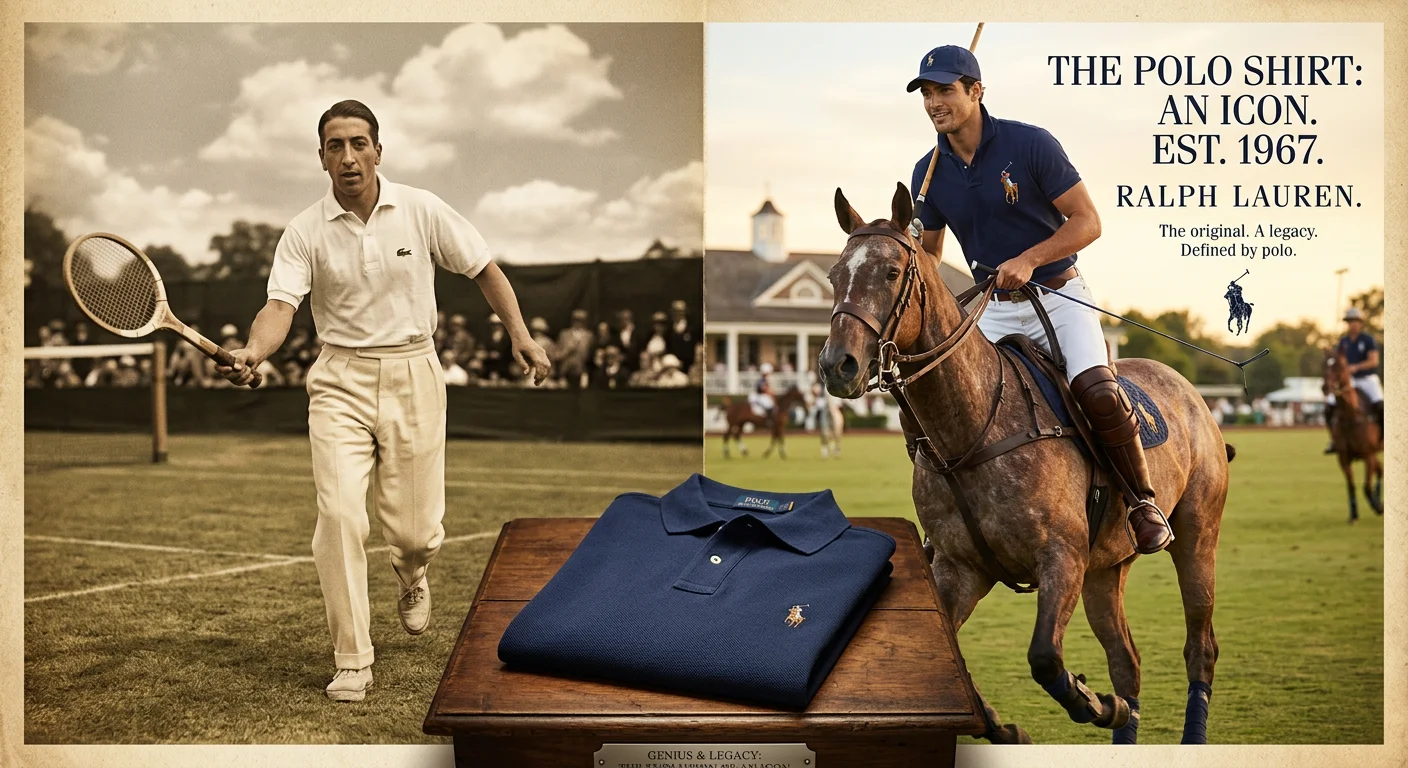
Then came the big twist. In 1926, tennis player René Lacoste walked onto a U.S. National Championships court in a short-sleeved piqué cotton shirt. It was the first time anyone had cut off the long sleeves. The polo shirt we know today was born on a tennis court — not a polo field.
It kept the polo name anyway. Because that's where it came from.
Today, top equestrian clothing manufacturers carry on this legacy, crafting pieces that honor both heritage and performance. For teams, stables, and serious riders, custom horse riding shirts bring that timeless polo functionality to modern equestrian life. As trusted equestrian suppliers, we ensure every design stays true to its riding roots — functional, breathable, and built for those who spend their days in the saddle.
The takeaway: Horse riders shaped the polo shirt's identity long before tennis or fashion ever touched it.
The Button-Down Collar: A Design Born for the Saddle
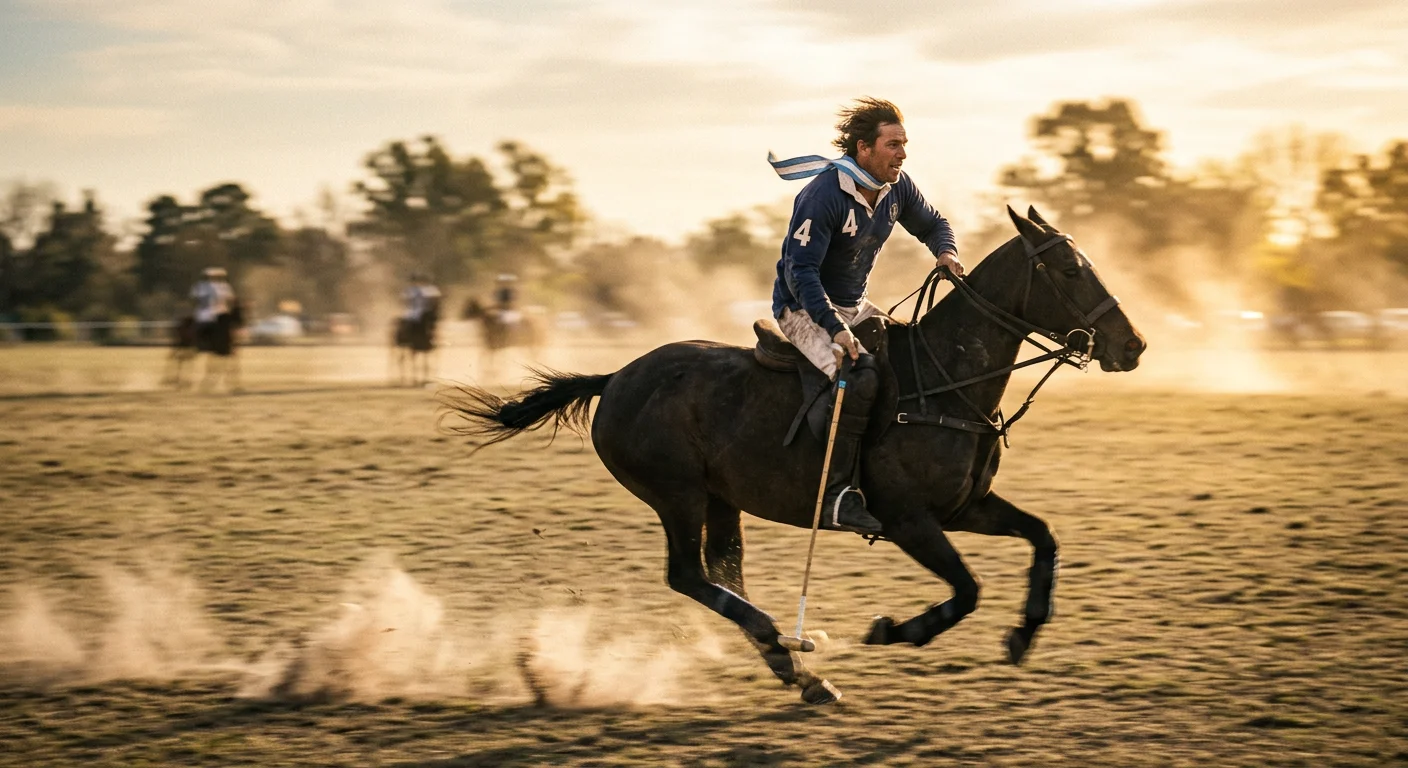
A rider at full gallop. Wind rushing, mallet swinging, head turning hard left and right. Now picture a collar — stiff, unanchored — flapping across their face.
That was the actual problem. The button-down collar was the actual fix.
The design traces back to 19th-century British polo players who were tired of that exact annoyance. Before buttons held the collar points down, even a decent shirt became a liability in motion. So players did something simple and smart. They added small buttons at each collar tip to fasten it to the shirt.
Problem solved. Collar stays flat. Rider stays focused.
The button-down collar does more than behave itself at speed, though. For equestrian riders, it delivers a few real advantages that add up:
Wind protection — You can flip the collar up to shield your neck from sun, dust, and cold air. This is a solid benefit on long outdoor rides.
Clean lines under gear — Helmets, body protectors, and jackets all sit better. No bunching or shifting underneath.
A polished look without fuss — No pins, no starch, no fiddling mid-ride.
This detail — modest, almost invisible — shows exactly how equestrian clothing history tends to work. The best design choices don't announce themselves. They just make everything easier, without drawing attention.
Today, the button-down collar lives on in every classic polo shirt. Most wearers have long forgotten its original job. The saddle invented it. Fashion just borrowed it.
Fabric Science: Why Piqué Cotton Became the Gold Standard for Horse Riders
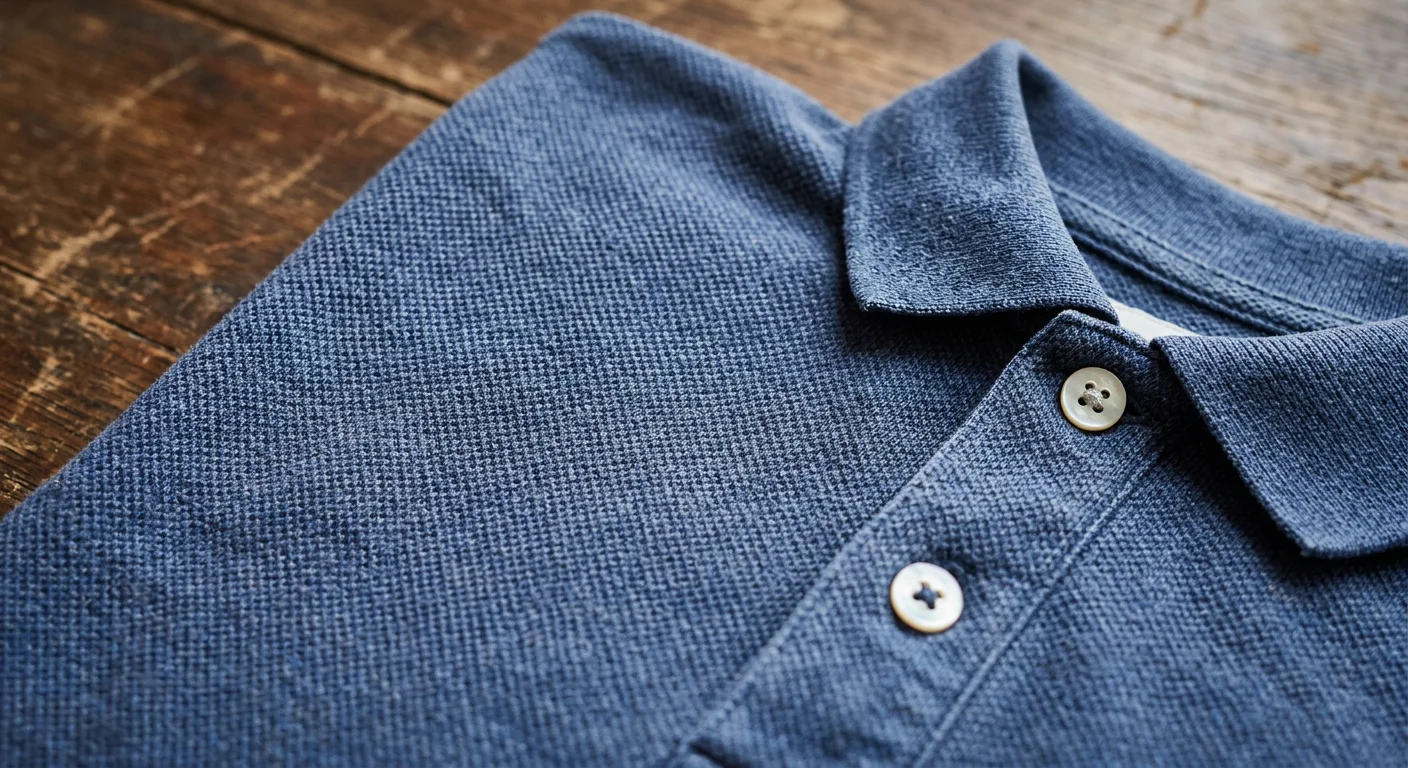
Touch a classic polo shirt and you'll feel it right away — that raised, waffle-like texture under your fingertips. That's piqué cotton. And it's not just a design choice. It's the reason polo shirts have lasted in the saddle for over a century.
The science behind it is straightforward. Piqué uses a double-knit construction that creates tiny cellular pockets across the fabric's surface — each one 0.5 to 2mm deep. Those pockets aren't decorative. They trap air and push it away from your skin, delivering 20–30% higher airflow than standard smooth jersey cotton. On a three-hour summer ride in full sun, that difference adds up fast.
What Makes Piqué Work Harder Than Other Fabrics
Breathability is just part of the story. Here's what else piqué brings to a long day in the saddle:
Moisture management — The textured surface pulls sweat away and speeds up evaporation. Cotton piqué absorbs up to 8–10% of its weight in moisture. That beats most synthetic blends on comfort.
Shape retention — The knit structure resists sagging and creasing by 40–50% compared to jersey cotton. No ironing needed. No collar going limp mid-ride.
Durability that holds up — Premium piqué runs 180–250g/m². It fights off pilling and snagging, and holds its structure after 50+ washes without losing form.
Grip under pressure — The waffle texture anchors the fabric against your skin and gear, cutting down on slippage during movement. Small detail. Real benefit.
Not all piqué is the same. Single piqué (150–180g/m²) runs lighter and stretchier — the better pick for warm-weather riding. Double piqué (220–250g/m²) adds structure and longevity — the right choice when durability matters more than weight.
Check the comparison below to see where alternatives fall short:
Polyester holds its shape but traps heat. Jersey breathes well enough but loses structure fast. Piqué handles both jobs — and that balance is what equestrian riders need through long hours of physical, outdoor work.
Lacoste helped bring this fabric into performance wear back in the 1920s. Today, over 70% of performance polos use piqué knit. The riding world figured it out first. Everyone else caught up later.
From René Lacoste to Ralph Lauren: How Equestrian Culture Shaped a Global Fashion Icon
Two brands. Two very different relationships with the horse. One shared obsession with what riding represents.
That tension — real sport heritage versus aspirational imagery — sits at the core of how the polo shirt took over global fashion.
René Lacoste came first. In 1933, the seven-time Grand Slam champion built his brand on something real: a performance problem he had solved himself. His breathable cotton piqué shirt wasn't a concept. It was a tested answer to heat and movement. He borrowed the polo shirt's longer back hem — that practical "tennis tail" built to stay tucked during riding — and adapted it for the tennis court. The equestrian world gave him the blueprint. He refined it.
Then he did something nobody had done before. He put a small green crocodile on the outside of the garment. That crocodile — designed by Robert George in 1927 — now holds a 94% recognition rate among consumers aged 18 to 65 worldwide. It was the first logo placed on a garment's exterior. That single move set the standard the entire luxury industry would follow. Today, Lacoste puts each polo shirt through 19 quality checkpoints and brings in over $2.3 billion in annual revenue.
Ralph Lauren arrived 33 years later, in 1967, with a different kind of story. He never played polo. But he grasped something deep about what polo meant — speed, discipline, open fields, old money, effortless confidence. His galloping pony logo, crossed mallets and all, became the most successful shirt collection in his empire. The 1972 Polo collection didn't sell a garment. It sold an identity.
And it worked. Massively.
Both approaches trace back to the same source. By the 1920s, Argentinian polo players had begun embroidering crests onto blazers — a visual shorthand for exclusivity. That symbol spread fast to schools, yacht clubs, and corporate branding across the world. The polo shirt didn't borrow prestige from fashion. Fashion borrowed prestige from the polo field.
Lacoste built on real athletic heritage. Lauren built on the dream of it. Together, they turned a functional riding shirt into a global symbol. That's proof that equestrian culture doesn't just shape what riders wear. It shapes what the rest of the world aspires to.
Practical Breakdown: 5 Real Reasons Riders Still Choose Polo Shirts Today
History explains the origin. Function explains the loyalty.
Riders aren't sentimental people. They don't keep wearing something because it has a good backstory. They keep wearing it because it works — every ride, in every condition, without complaint. The polo shirt earned its place in the saddle the hard way. It proved itself useful, over and over again.
Here are five real reasons it hasn't been replaced.
The Collar Does Actual Work
This isn't decoration. That stiff little collar flips up. It shields your neck from UV rays on long summer rides. It blocks wind chill on cold morning hacks. It keeps trail dust out of your collar line. No sunscreen reapplication mid-ride. No scarf slipping loose. One collar. Several problems handled at once.
The Fit Lets You Move — And Lets Your Trainer See You Move
A polo shirt's close cut sits snug without restricting. That matters for two reasons. First, you can swing, twist, and lean without the fabric pulling or bunching. Second — and this one surprises people — instructors can read your body position right through the shirt. Baggy layers hide posture problems. A well-fitted polo doesn't hide anything. That feedback loop matters if you're serious about improving.
The Fabric Manages Heat Across Long Hours
Three hours in the saddle on a warm afternoon generates real heat. Piqué cotton has a cellular weave structure. That structure pulls air away from your skin and keeps things cooler. The key point here: equestrian riding is physical work. The polo shirt's breathability isn't a bonus feature. It's a basic requirement for staying comfortable through long sessions.
It Layers Well Under Everything Else You're Already Wearing
Helmets. Body protectors. Quarter-zip vests. Every layer in a riding kit needs to work with the one beneath it. A polo shirt's firm collar holds its shape under a helmet strap. It doesn't collapse into a wrinkled heap. The fitted body doesn't bulk up under a vest. It behaves itself — which sounds like a low bar until you've wrestled with a shirt that doesn't.
It Meets the Dress Code Without Extra Effort
Most equestrian venues — from casual trail yards to formal competition rings — expect a collared shirt. The polo shirt clears that bar with no extra planning. No ironing. No tucking crisis. No last-minute wardrobe swap. You show up looking correct without putting much thought into it at all.
That's the quiet genius of the polo shirt as horse riding outfit traditional wear. It doesn't demand attention. It just removes obstacles — to movement, to comfort, to looking like you belong there. Five reasons. One shirt. Still in the saddle after 150 years.
Polo Shirt vs. Other Horse Riding Shirts: Which One Should You Wear?
Three shirts are hanging in your tack room. A polo. A technical tee. A quarter-zip. They all look like they could work. Here's the honest breakdown of which one earns its place — and which one doesn't.
T-shirts are fine. Polo shirts are better. A crew-neck tee has no collar, little structure, and no real ventilation built in. It's casual by design. It also fails most venue dress codes the moment you enter a formal schooling environment. A polo shirt fixes all three problems at once — no extra thought needed on a busy morning.
The quarter-zip sits somewhere in the middle. That zippered front gives you temperature control, and it layers well. But the fit isn't athletic enough to work well under a show jacket or body protector. A polo shirt handles that job better.
So what separates a good equestrian polo from a standard one? It comes down to a few key details:
Four-way stretch stops restriction during jumping and side-to-side movement
Laser-cut ventilation panels and mesh inserts under the arms and across the back release heat without adding bulk
Curved or dropped back hems stay tucked as you lean forward — no gaps, no distractions
UV protection matters more on long outdoor rides than most riders expect
The fit rule is simple: too loose snags on tack; too tight kills your reach. Look for athletic tailoring with smart seam placement. That's where the sweet spot is.
A few options worth knowing:
The Horse Pilot Ariia scores 5/5 for quick-dry and breathability, with a back mesh insert that moves real heat out fast.
The Cavalleria Toscana Jersey Polo runs ultra-light with built-in UV protection. It's a strong pick under a show jacket in summer.
The Horse Pilot Suntech hits 5/5 on stretch and adds UV-Block technology — solid for competition days.
For most riders, most of the time — the polo shirt wins.
FAQ: Common Questions Horse Riders Ask About Polo Shirts
Riders ask good questions. Here are honest answers to the ones that come up most.
Is a polo shirt acceptable for competition riding?
Yes — with conditions. Show polo shirts work well for warm-weather competitions. You get a collared neckline with a zip or button placket, breathable moisture-wicking fabric, and a relaxed fit. For cross-country, polo or rugby shirts in any color are allowed. Long sleeves are required to cut down injury risk during falls.
How do I measure myself?
Four measurements. That's all you need:
Chest — around the fullest part, just under your arms
Waist — around the narrowest point, just above your navel
Neck — around the base, where the collar sits
Sleeve length — from the center back of your neck to your wrist bone, arm extended straight
Keep the tape snug. Never tight.
What if I fall between sizes?
Go smaller for a fitted cut. Go larger for comfort. Chest and waist measurements sometimes point to different sizes. Go with your chest measurement in that case. Also, sizing can shift a lot from brand to brand. Check the specific brand's size chart before ordering.
Conclusion
The polo shirt didn't stumble into equestrian culture by accident — it was born there. Think about the journey: from the sun-baked polo fields of 19th-century British India to your local riding arena today. This humble collared shirt earned its place in the saddle through smart design and real function. Not luck. Not fashion trends.
The button-down collar keeps fabric out of your face at a gallop. The breathable piqué weave pulls heat away from your body. The relaxed-but-structured fit lets you move freely without looking sloppy. None of that is coincidence. It's centuries of practical wisdom stitched into something you can still pull on before a morning ride.
Now you know the why behind the wardrobe.
The next step? Put that knowledge to work. Gearing up for your first lesson? Upgrading your riding wardrobe? Explore our curated collection of equestrian polo shirts built for real riders — not just the look, but the performance. We partner with trusted equestrian clothing manufacturers that honor this legacy, and we offer custom horse riding polo shirts for stables, teams, and dedicated riders who want performance with a personal touch. Many of our pieces are crafted in an expert equestrian clothing factory that blends traditional detailing with modern performance, so every stitch serves both function and heritage.
Because the best outfit isn't the most expensive one. It's the one that understands where it came from.