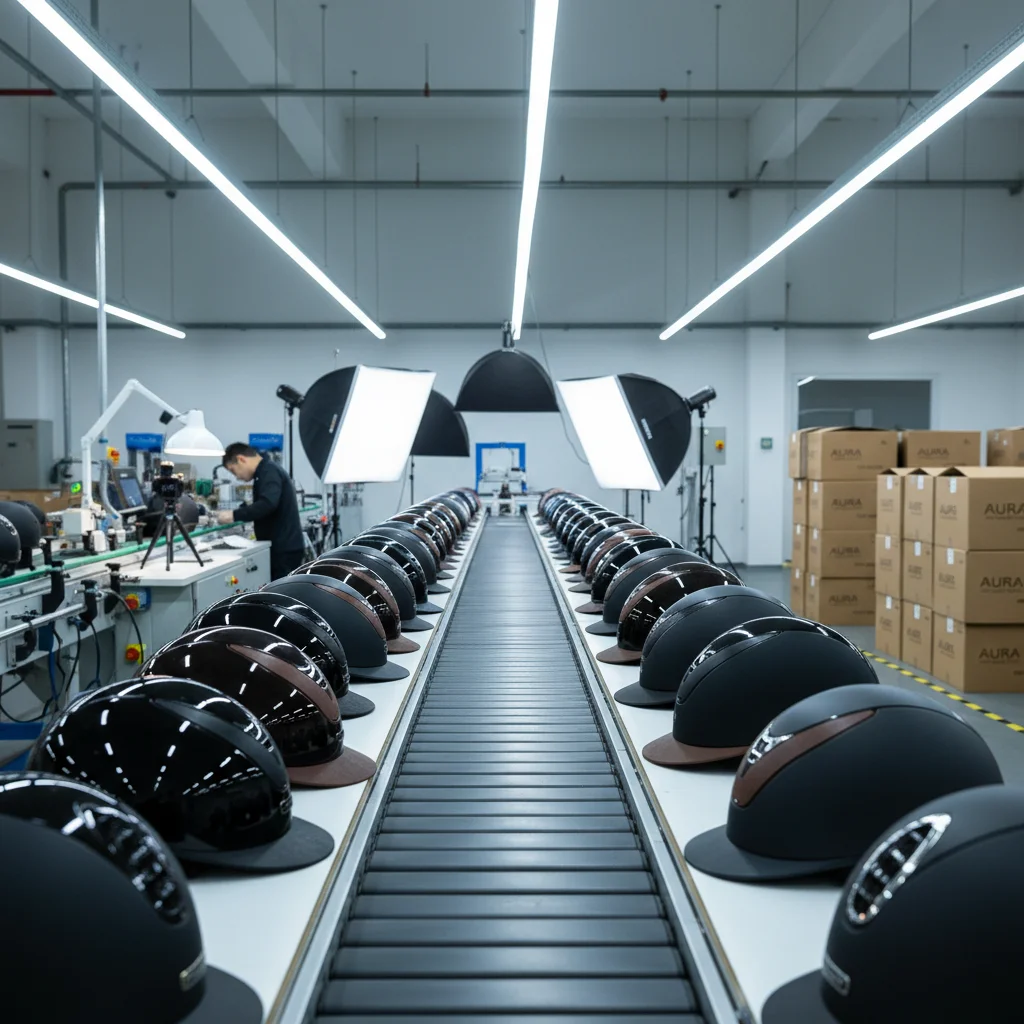
Every year, thousands of riders get injured. Some are eager beginners, while others are overconfident intermediates who simply didn’t know what NOT to do around horses. While skills take years to master, understanding the foundational safety errors—and the role of quality gear provided by top equestrian suppliers—can prevent disaster.
Here’s the irony: Most horseback riding accidents aren’t freak events. They are mistakes you can prevent that happen in split seconds. You might grip the reins too hard, mount from the wrong side, or ignore your horse’s pinned ears. Whether you are taking your first lesson or have been riding for years, understanding these errors could save your life. At minimum, avoiding them keeps you from an embarrassing fall. This guide covers the critical mistakes riders make, from tacking up to dismounting, while highlighting how professional equestrian outfit manufacturers play a role in your safety.
Critical Safety Gear Mistakes That Put Riders at Risk
Your helmet might look fine from the outside, but inside, the foam compressed three years ago from a drop in the barn aisle destroys its ability to protect you. Helmets prevent 69% of head injuries and 37% of rider deaths. Yet just 59% of riders wear them. The remaining 41% believe they are too experienced, or that it’s "just a short trail ride." Without a helmet, you’re 11.7 times more at risk of dying in an accident. Fatalities jump 30% higher. This isn’t opinion—it’s medical data.
A loose helmet shifts on impact, and one that is too tight causes headaches. Proper fitting means the helmet sits level. Many riders buy helmets for beginners online without considering the fit. Reputable equestrian clothing manufacturers design helmets for specific head shapes, ensuring that an expensive helmet offers actual protection rather than just style. You must replace your helmet every five years or immediately after any fall, as UV exposure and sweat break down materials.
Body armor and riding boots interact directly with your safety. Proper equestrian boots reduce foot and ankle injuries by 45%. Regular sneakers allow your ankle to roll or your foot to slide through the stirrup. Leading equestrian manufacturers and equestrian clothing factories design boots with distinct heels precisely to prevent this. Gloves for horse riding prevent 45% of hand injuries. Without them, reins burn your palms, and you lose grip strength. In cold weather, numb fingers cannot feel the reins. Furthermore, body protectors cut upper body injuries, yet riders skip them because they look bulky. However, with advancements in OEM/ODM services, modern vests are lighter and more flexible than ever.
Temperature discomfort is a common excuse, but it only lasts twenty minutes; a traumatic brain injury lasts forever. Research shows 57.1% of crashes occur at impact speeds below 40 km/h—the "safe" situations like walking or standing still. Wear everything, every single time. Reliable wholesale equestrian clothing suppliers provide breathable summer gear that negates the "it’s too hot" excuse. Your horse doesn’t know the difference between a casual ride and a training session; his flight instinct works the same regardless.
Source Premium Safety Gear for Your Riders
Looking for certified helmets, vests, and boots in bulk? Run Equestrian offers OEM/ODM manufacturing with rigorous safety standards and fast turnaround.
Explore Safety EquipmentDangerous Mounting and Dismounting Errors
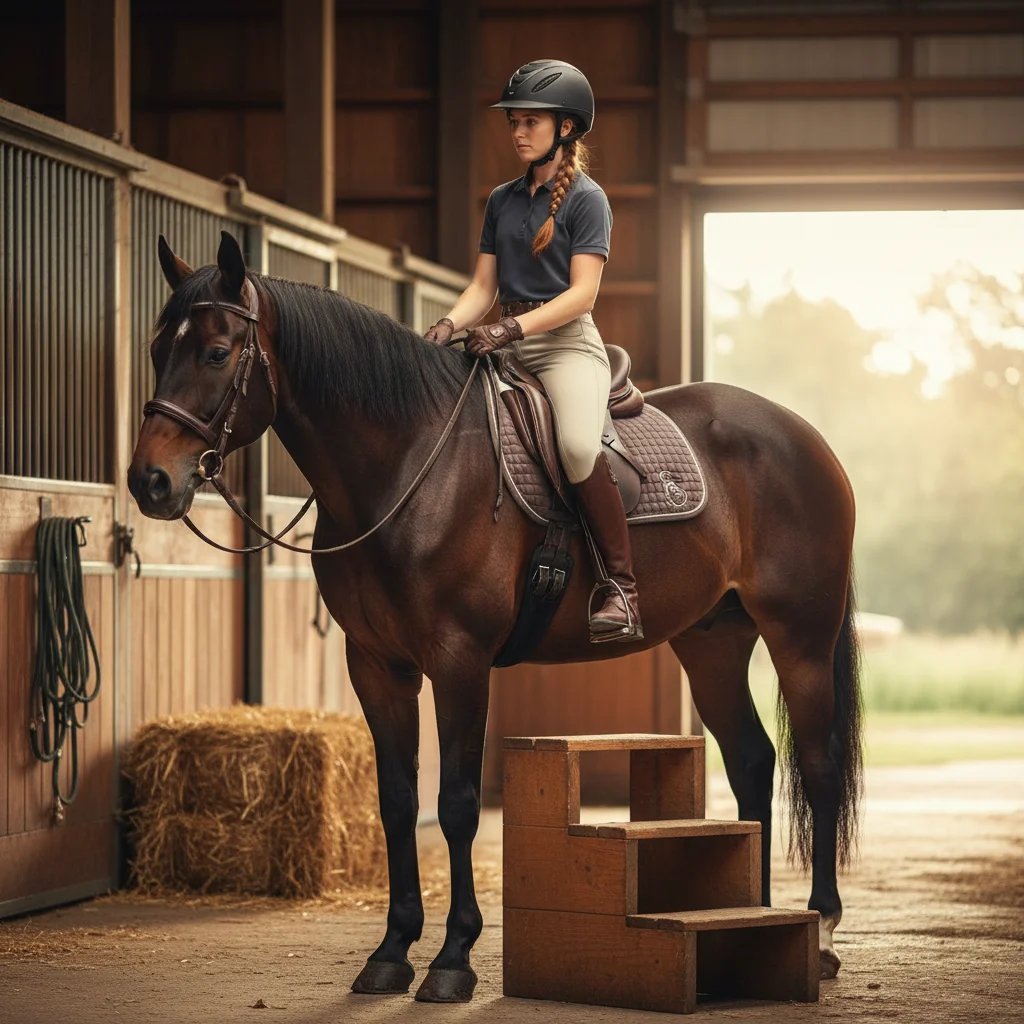
Four riders died between 1988 and 1992 doing something routine: getting on and off the horse. You spend time adjusting your custom equestrian apparel, yet you rush the mount. Mounting from the right side confuses horses trained to expect pressure from the left. Your horse might shift, spin, or bolt because you are going against his muscle memory. Always mount from the left unless taught otherwise, and use a mounting block to reduce strain on the horse’s back.
Dismounting while moving is equally dangerous. Never jump from your horse. Bring him to a full stop. If you jump, your boot, perhaps not from a quality equestrian clothing manufacturer, might catch in the stirrup, leaving you dragging. Swing your leg over, ensuring you don’t kick his spine, and slide down while keeping contact. A horse left alone can wander into traffic or spook, injuring bystanders.
Posture and Balance Mistakes During Riding
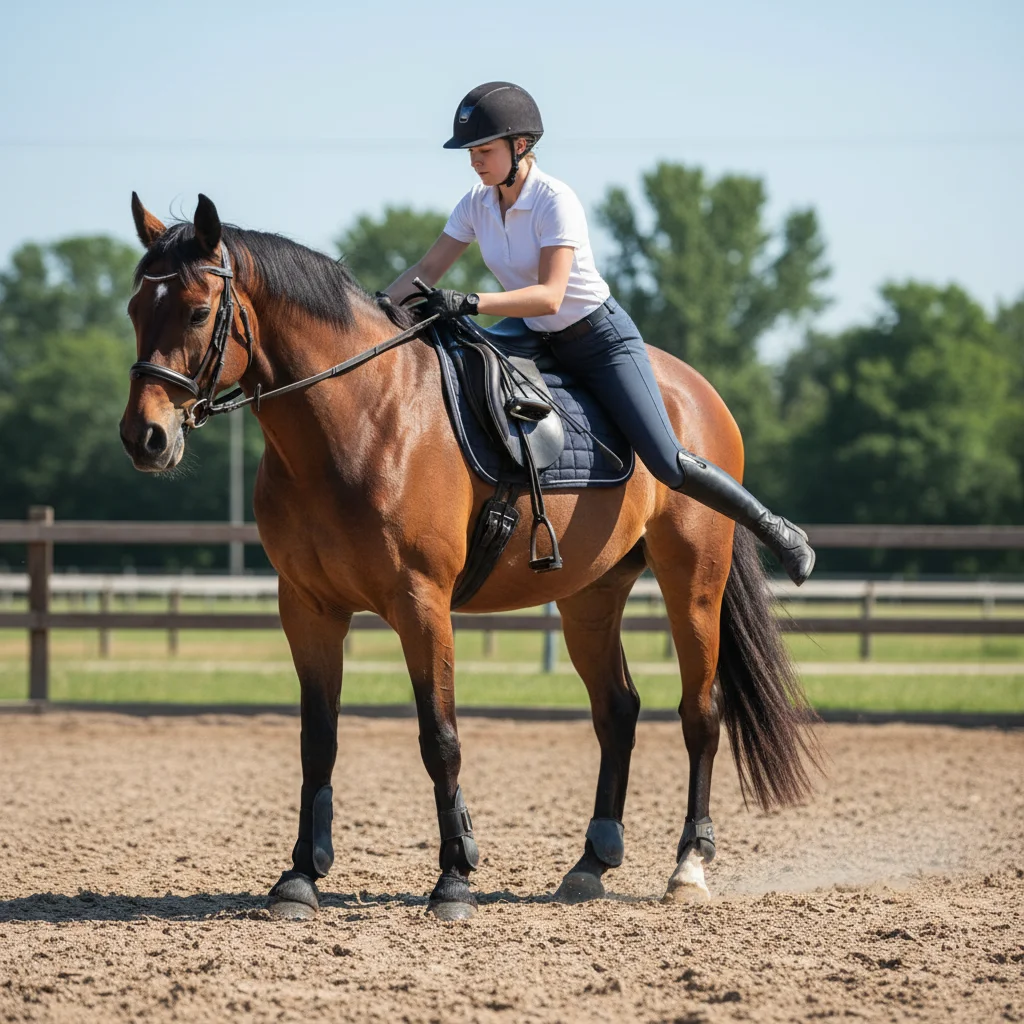
Your horse feels every shift in your weight. Swedish researchers found that every rider showed differences between right and left directions. The most common problems include unbalanced seats, stiff positions, and gripping thighs. When you wear ill-fitting gear, rather than high-end custom equestrian clothing designed for mobility, you exacerbate these issues. Top riders keep their hip angle closed and pelvis under them. Less experienced riders often push their lower leg backwards, tipping their upper body forward and tensing the horse’s back.
If your shoulders move in messy patterns, you ruin the horse’s balance. Rein tension changes based on rider position, gait, direction, which rein, and horse preference. If your shoulders bounce, you send mixed signals. Furthermore, gripping with your thighs feels secure but is physically wrong. It lifts your seat out of the saddle. Expert riders, often outfitted in professional custom equestrian clothing that aids grip without restriction, showed much better side-to-side stability in tests. Their side-to-side stability beat others in every test. This stability comes from relaxing into the movement, not fighting it. Good riding posture needs and builds great balance. Gripping is what makes falling more common.
Rein Handling Failures and Loss of Control
Pulling too hard on the reins narrows your horse’s world to pain. Horses with hind limb asymmetry showed much higher rein tension, proving that force does not equal control. During a walk, tension should be low (7–9 N), but riders often fail to release pressure when accelerating or slowing down. For every 10 N increase in mean rein tension, rideability scores dropped 0.37 points. This data suggests that your hands matter more than your horse’s attitude. High-quality gloves from an experienced equestrian clothing factory can help riders maintain a consistent, soft feel rather than a harsh grip.
Your handling creates imbalance. Left-right asymmetry in rein tension serves as a warning sign of control loss. Higher tension consistently matches lower performance scores. Evasive behaviors like head tossing or mouth gaping increase with tension. The fix isn’t complicated. Release more. Pull less. Let the reins breathe. This is where OEM/ODM services in tack manufacturing become relevant; well-designed bridles and reins facilitate better communication, but they cannot fix a rider’s heavy hands.
Custom Equestrian Clothing for Better Performance
Ill-fitting gear amplifies posture errors. Our custom-designed riding apparel is engineered for unrestricted movement and optimal rider-horse communication.
Request Custom DesignIgnoring Horse Communication Signals
Horses speak through subtle body language. If you ignore a pinned ear or a swish of the tail, you are teaching your horse that communication doesn’t work. When a horse shows distress, stress hormones flood the bloodstream for several seconds. During this spike, the horse practically cannot learn. If you continue to pull or kick, you are punishing a biological response. Every ignored signal triggers stronger and faster behavioral responses in future encounters.
For every added newton of rein tension, odds of evasive behavior increase 5%. A horse snorting during work is often signaling that foundational training requirements aren’t being met. Pushing through this stress guarantees nothing but fear. The horse’s fear response operates straight from the brain without thought. Repeatedly ignoring these signals pushes horses into learned helplessness. They freeze, attempting to go undetected. The fix requires humility: learn the language. Acknowledge the hesitation. custom equestrian outfit designers even consider this, creating gear that allows horses full range of motion to express these signals clearly.
Equipment and Tack Check Failures
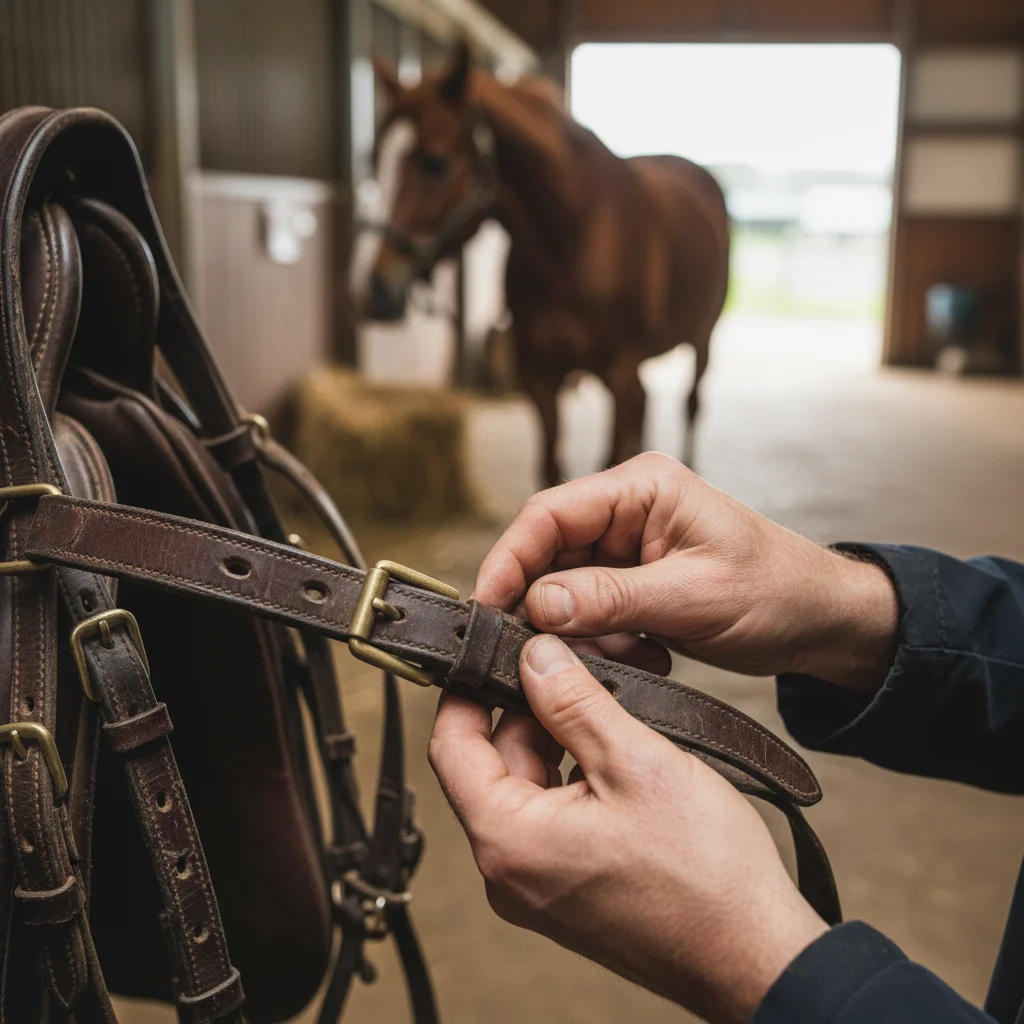
Nineteen percent of injuries trace back to equipment. Tack breaking ranked as the most avoidable cause of injury. It wasn’t spooking or terrain; it was the girth or stirrup leather you didn’t check. Check your tack once a month. Look where leather meets metal. Many riders use wholesale equestrian clothing and tack but fail to maintain it. Buckle holes stretch, and stitching rots. Test everything under tension before it carries your weight.
Seventy-eight percent of injured riders saddled their own horses. They looked but didn’t see the danger. equestrian suppliers provide the gear, but maintenance is on you. Run your fingers along every inch of leather. Twenty-five cases involved ill-fitting tack. Whether you are using private label equestrian clothing or high-end tack, if it doesn’t fit the horse or rider, it is a liability.
Ground Safety Zones
- Walk or stand directly behind a horse
- Duck under the horse's neck without warning
- Approach silently from a blind spot
- Skip wearing a body protector on the ground
- Stand at the horse's shoulder level
- Use your voice before moving around the horse
- Keep one hand on the horse when passing behind
- Wear a safety vest — kicks carry 2,000 lbs of force
Stand behind a horse, and you are in a blind spot. Kicks cause 42% of those ground injuries. Being stepped on or crushed makes up another significant portion. Never walk directly behind a horse or duck under his neck. A kick carries 2,000 pounds of force. Ground incidents cause serious internal injuries. Out of 706 cases, 98.4% happened at horse level. Stand at the shoulder. Use your voice. Wearing a safety vest, often available through custom equestrian clothing channels, acts as a last line of defense if you are struck.
Group Riding and Trail Hazards
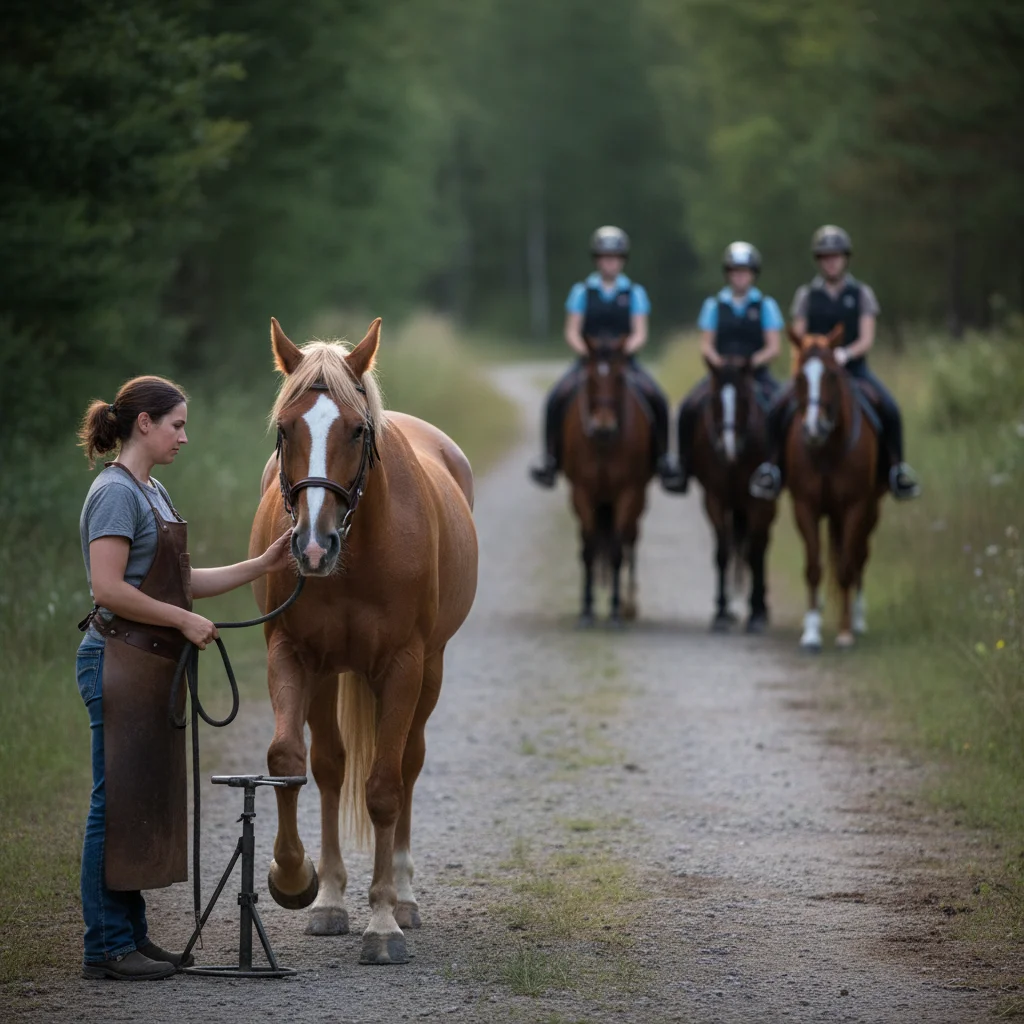
Group rides strip away control. Eighty-one percent of riders get injured at some point in their career. The herd instinct creates a spacing disaster. If you ride too close, you invite a kick. Stay in single file on trails. Communicate before passing. Do not let a mismatch in skill levels endanger the group. An advanced trail ride is no place for a novice in new custom equestrian outfit gear that they haven’t broken in yet. Trail riding generated 44% of internal injuries in documented cases. Prepare for the terrain and the company you keep.
Dismount and Post-Ride Shortcuts
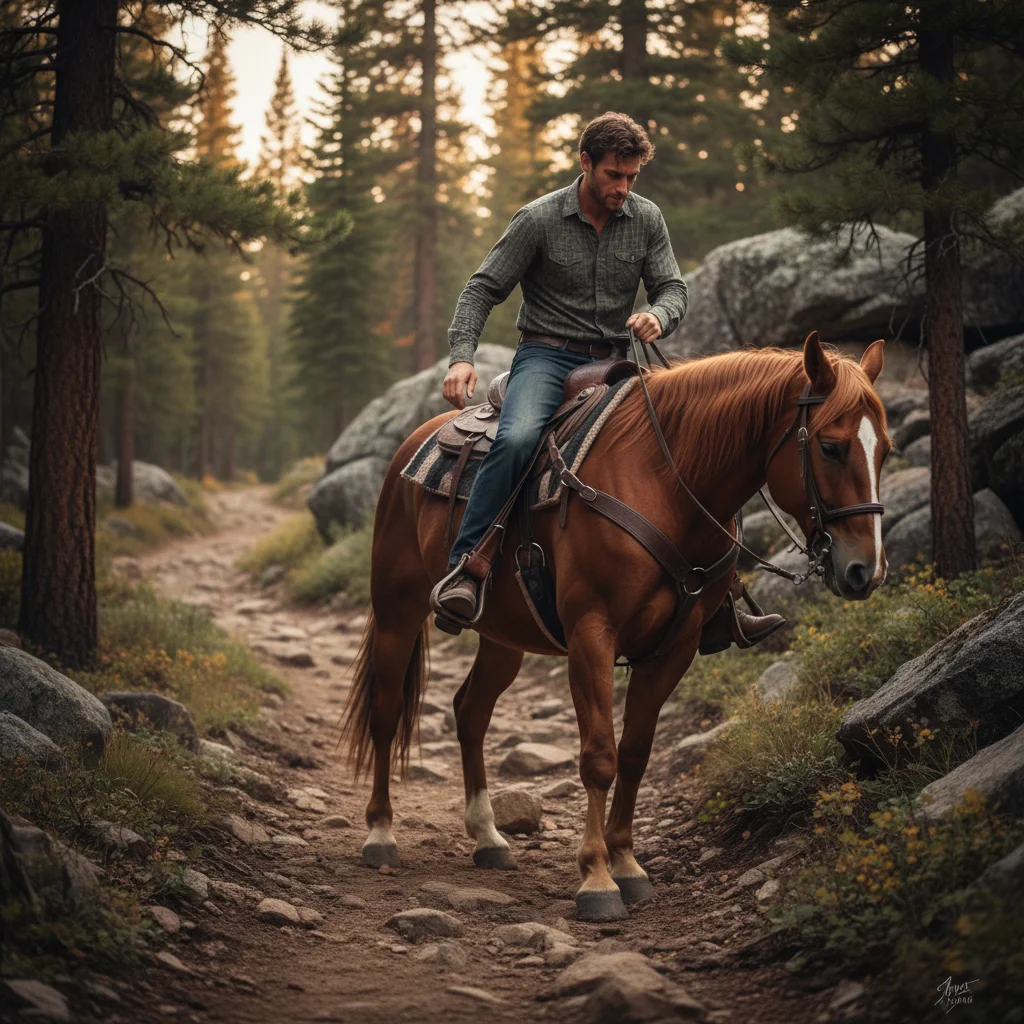
The danger isn’t over when the ride ends. Between 6-8% of serious riding injuries happen during dismount or right after. Fatigue sets in. You might dismount while moving to save time—a foolish error. Bring the horse to a complete, dead stop. Keep hold of the reins throughout the process. Once on the ground, your legs might buckle from exhaustion; do not fall into your horse. Skip the post-ride check, and you miss 15-25% of growing tack problems. Reliability starts with inspection, a principle well known to any equestrian clothing manufacturer with quality control standards.
Common Mistakes Beginners Make
Beginners often lack the muscle memory that keeps them safe. The mounting block myth sits at the top. Beginners try to jump on from the ground like in movies, pulling the saddle sideways. This is often exacerbated by loose girths. Furthermore, the "grip harder" trap ruins stability. Your horse moves without warning. Every muscle in your body tenses up. But gripping lifts your seat bones. New riders also frequently pull one rein while leaving the other loose, or send mixed signals about speed. Clear commands for go and stop? Beginners don’t have them. They need instruction and correct gear from equestrian outfit manufacturers to help stabilize their learning curve.
Emergency Response Protocol
Stop all riding. Secure every horse immediately. Call emergency services for any head impact, loss of consciousness, suspected breaks, or heavy bleeding. Do not move an injured rider. Medical errors in emergency settings affect 1 in 18 patients, so wait for professionals. Keep the rider still, warm, and talking until help arrives. Don’t let the fear of an ambulance bill prevent necessary care.
Video Guide: Horseback Riding Safety
Conclusion
Horseback riding safety is about building instincts and utilizing the best resources available. From improper helmet fitting to missing your horse’s signals, every error carries consequences. Experienced riders are distinguished not just by their skill, but by their commitment to proper riding posture and equipment maintenance.
To truly stay safe, you must partner with the right resources. Whether you are a riding school looking for wholesale equestrian clothing, or a retailer seeking OEM/ODM services to create safer gear, the quality of your equipment is the foundation of rider safety. Top equestrian suppliers and equestrian manufacturers invest heavily in R&D to ensure helmets, vests, and boots meet rigorous safety standards.
Ultimately, whether you need private label equestrian clothing for your club or high-end custom equestrian clothing for competition, choosing reputable equestrian outfit manufacturers ensures that when mistakes happen, you have the best protection possible. The conversation between horse, rider, and equipment never stops. Understanding what not to do is just the beginning; equipping yourself correctly is the next step.
Ready to refine your skills and gear? Explore our guide on horse pain signals under saddle and browse our top recommendations for safety equipment. Stay safe, and enjoy the ride.
Partner with a Trusted Equestrian Manufacturer
Since 2009, Run Equestrian has supplied certified riding gear to schools, clubs, and retailers worldwide. Get a free quote within 24 hours.
Get a Free Quote