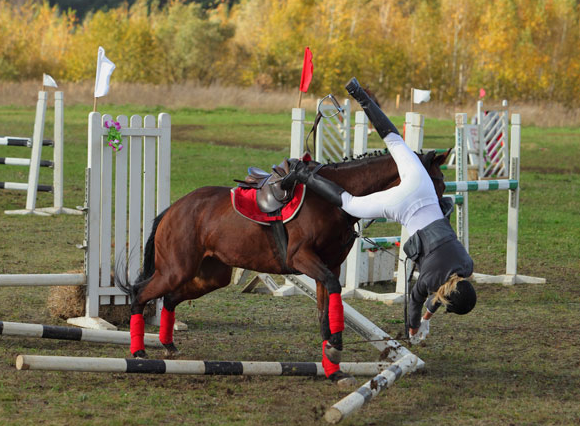
Every year, thousands of riders leave the barn with injuries they didn't have coming in — a fracture, a concussion, or a back injury that slowly changes how they feel about the sport. Horseback riding is thrilling and rewarding, yet it is undeniably risky. Most people don't know this: the majority of equestrian injuries follow predictable patterns. That means they're far more preventable than most riders expect, especially when equestrian suppliers and riders prioritize safety over style.
Are you a weekend trail rider? A parent signing your child up for their first lesson? A seasoned competitor taking a hard look at your gear? No matter where you fall, knowing what causes rider injuries — and why — is the first step to staying in the saddle for years to come. This awareness drives the most responsible equestrian clothing manufacturers to constantly innovate, ensuring that the gear we wear does more than just look good—it actually protects us.
What Is The Most Common Injury In Horseback Riding?
The data is more specific than most riders realize. A national database tracked 4,760 equestrian injuries between 2018 and 2022. The patterns are clear — and they show exactly where the real risks are. Head injuries rank among the most frequent, accounting for 22–23% of all cases, while upper extremity injuries come in at 30% and trunk injuries add another 29%. However, if we look for the single most common type of injury, the answer is Fractures — at 32.88% of all cases. That's 1 in 3 injured riders walking away with a broken bone.
When we break down the full injury landscape, contusions account for 15.79%, internal organ injuries sit at 14.84%, sprains/strains at 7.99%, and concussions at 7.48%. One detail stands out hard: 87% of concussion patients were female. Of the 356 concussion cases recorded, just 82 riders had a helmet on at the time of injury. That's not a coincidence — that's a pattern with a clear solution involving better education and accessible gear from equestrian manufacturers.
While fractures might grab the headlines due to their sheer volume, the injury that sends riders to the hospital, into surgery, and in the worst cases, into a funeral home is a head injury. Head injuries account for 22.6–23% of all equestrian emergency department visits — 1,075 cases out of 4,760 tracked in the NEISS database. They're the leading cause of sports-related traumatic brain injury in U.S. adults and are responsible for 74.83% of equestrian fatalities. That last number deserves a closer look because head and neck injuries don't just happen more often; they kill more often. They push hospital stays to an average of 5–6 days and make up the bulk of significant cases. Since falls trigger 67–82% of all injuries, protecting the head during that descent is paramount.
Head Injuries & The Mechanism Behind the Damage
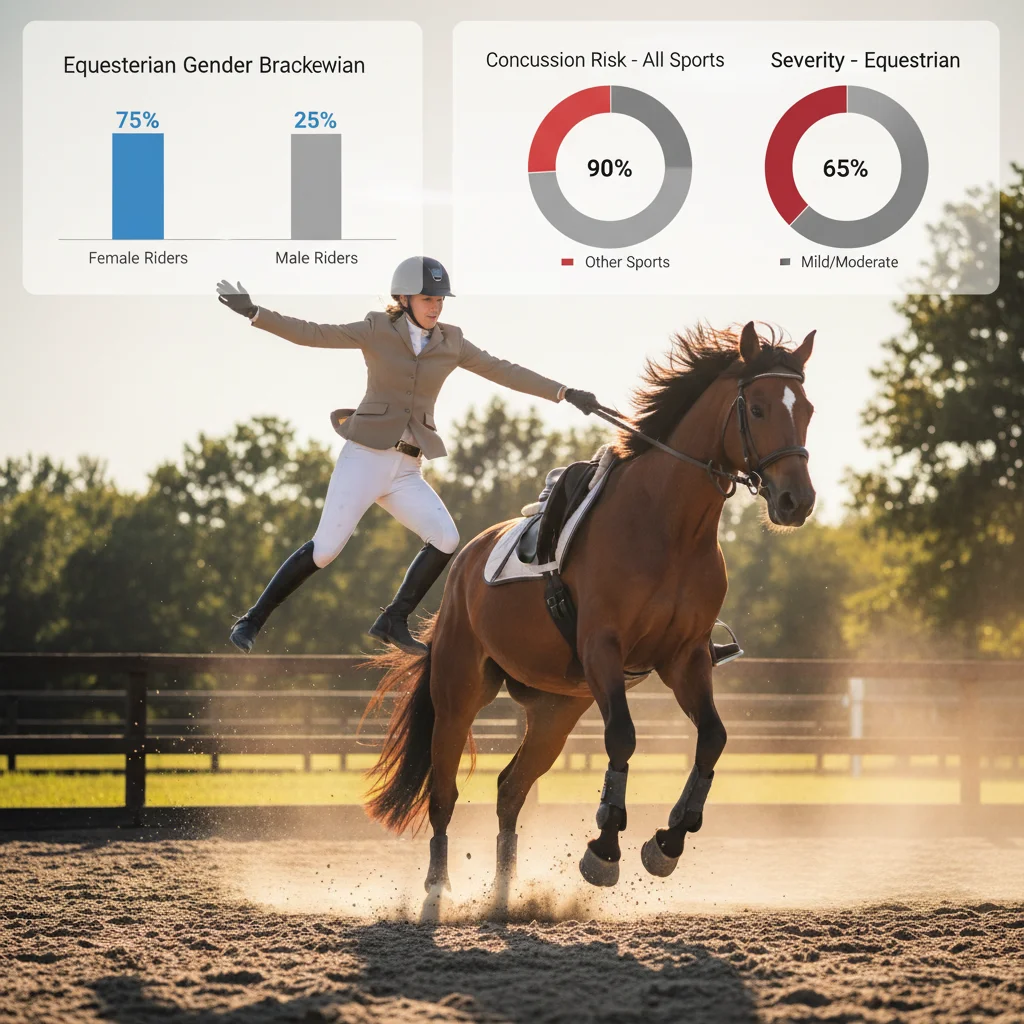
The numbers are clear: head injuries are the single most common injury in equestrian sports causing severe outcomes. The concussion data shows a gender gap that deserves serious attention. Of the 4,760 NEISS-tracked cases, 1,075 involved head injuries — 22.6% of the total. When looking at concussions specifically, out of 356 documented cases, 311 victims were female while just 45 were male. That's not a minor data point; that's a demographic pattern the equestrian community has yet to seriously address, perhaps requiring custom equestrian apparel solutions that appeal more effectively to this demographic's safety needs.
Understanding the mechanism helps us mitigate the risk. Nearly every concussion in the dataset — 339 out of 356 cases — came from horse-level events: falls, throws, or bucks. Just 17 happened at ground level. This reframes the risk entirely; the danger isn't just standing next to a horse, it's riding one. Falls and throws account for 98.2% of all equestrian injuries across the full dataset. When a rider drops from height, the head often takes the full impact on the way down.
This is where helmets play a critical role. Of those 356 concussion cases, just 82 riders had a helmet on at the time of injury. The data on enforced helmet mandates is clear-cut, showing a 60% reduction in head injuries following US Pony Club mandates. Annual equestrian deaths dropped from 4.9 per year (73% head-related) to just 1 — and that death was non-head related. Furthermore, ASTM/SEI-certified helmets cut severe TBI risk by 40–70%. Given that horseback riding ranks as the #1 cause of sports-related traumatic brain injury in U.S. adults, ensuring proper headgear is available through every equestrian clothing manufacturer is vital. A 2023 study even put 210 equestrians side by side with football and rugby players, and the riders came out with higher concussion rates. The injury rate sits at 3.7 per 1,000 exposures, which is lower than skiing but higher than cycling. A certified helmet won't guarantee you walk away unharmed, but it shifts the odds in your favor by a wide margin.
Upper Body and Trunk: The Hidden Risks
Riders reach out as they fall. It's instinct — arms out, hands bracing for impact. That reflex saves heads, but it breaks wrists. Upper extremity injuries account for 28.8–36.5% of all equestrian emergency department presentations. That's 1 in 3 injured riders walking away with damage to their hands, arms, or shoulders. Fractures make up 27–29% of all upper extremity injuries, with wrist fractures topping the list at 72 per 100,000 persons per year, followed closely by finger and lower arm fractures. While soft tissue contusions make up 37% of upper extremity injuries overall, fractures are a different story, accounting for 49.7% of admission diagnoses. No other injury shows up more often at that level of severity.
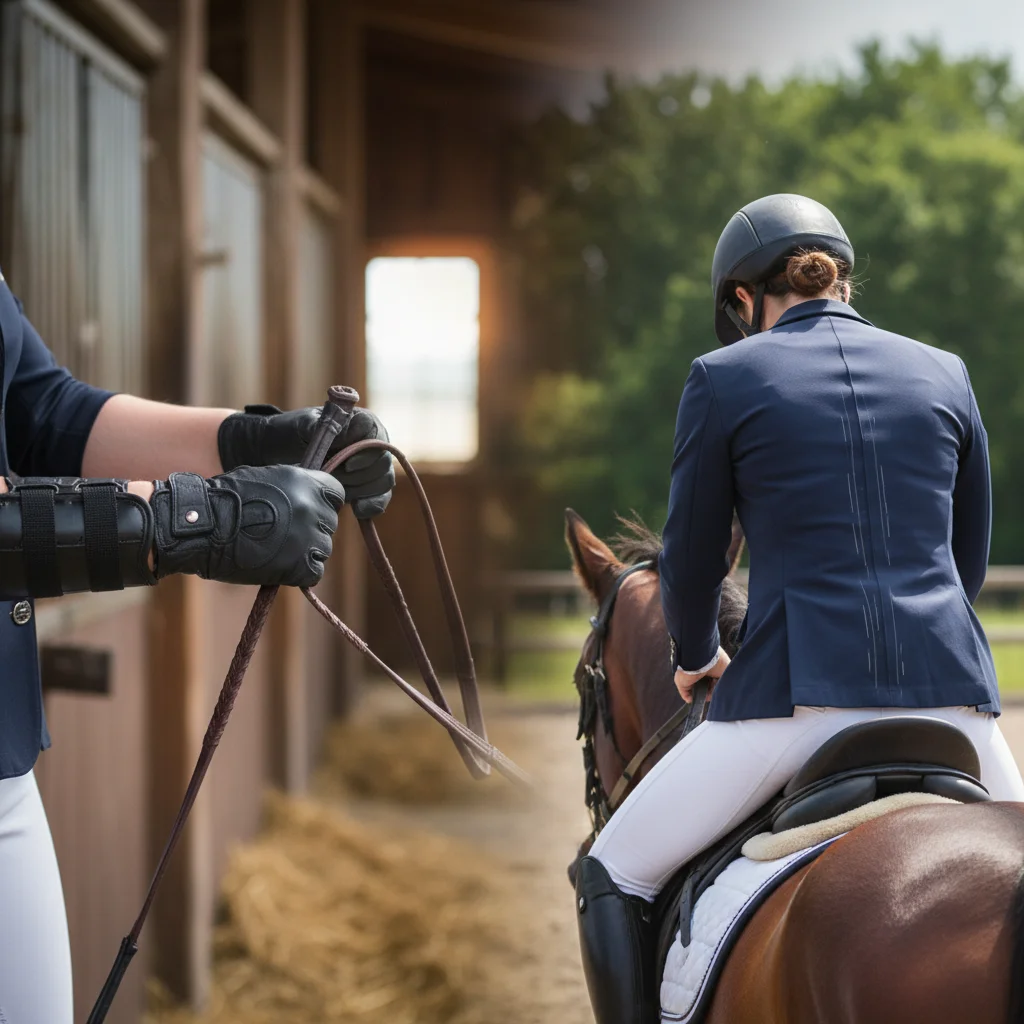
Ideally, the spine absorbs what the arms can't catch, but the damage builds up quietly. Trunk injuries make up a large share of equestrian emergency cases. Lower trunk injuries (lumbar spine and pelvis) account for 16.4% of all equestrian cases while upper trunk injuries (ribs and thoracic spine) add another 13.22%. Together, that's close to 30% of all rider injuries concentrated in one region. The numbers by age are hard to ignore, with riders aged 41–65 accounting for 56% of lumbar injuries. For female riders, the picture is even sharper; horseback riding is the #1 source of lumbar spine injuries among women. This highlights a massive opportunity for custom equestrian clothing designers to create protective vests that fit diverse body shapes comfortably, encouraging consistent use.
The internal organ data is equally concerning. 14.84% of cases involved internal organ damage. Of those 706 riders, only 4 were wearing a back protector. That's not a gear choice; that's a gap the community has not faced. Whether sourced via wholesale equestrian clothing channels for schools or bought individually, protective vests are critical. Right now, 99.4% of riders who suffered internal trauma had no back protection at all.
Lower Extremity Injuries and Equipment
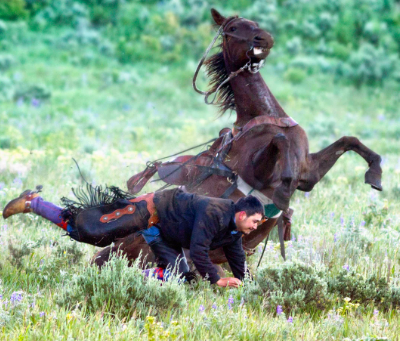
The legs might look safe because they aren't flying through the air or hitting the ground first, but the lower body takes real damage in a fall, often caused by the stirrup. Lower extremity injuries make up a solid share of cases, with the ankle taking the worst of it. It gets trapped in the stirrup during a fall, twisting in directions the joint was never meant to handle. Knee injuries come close behind due to sudden sideways force or bad landings.
Ankle sprains are the most common lower extremity injury across high-intensity physical sports, and equestrian riding fits that pattern perfectly. The cause is specific: a foot caught in the stirrup during a fall turns a clean dismount into a violent rotational injury. Knee damage also builds gradually; thousands of hours in the saddle put uneven load on the joint. This is where equestrian outfit manufacturers play a pivotal role. Proper boot fit matters more than most riders admit. A heel that slips through a stirrup is a real risk. A boot that holds the foot in place—featuring a distinctive heel designed by competent equestrian manufacturers—is the simplest lower-limb protection out there, cutting foot and ankle injury risk by 53–54% compared to ordinary shoes.
Critical Prevention Strategies and Gear
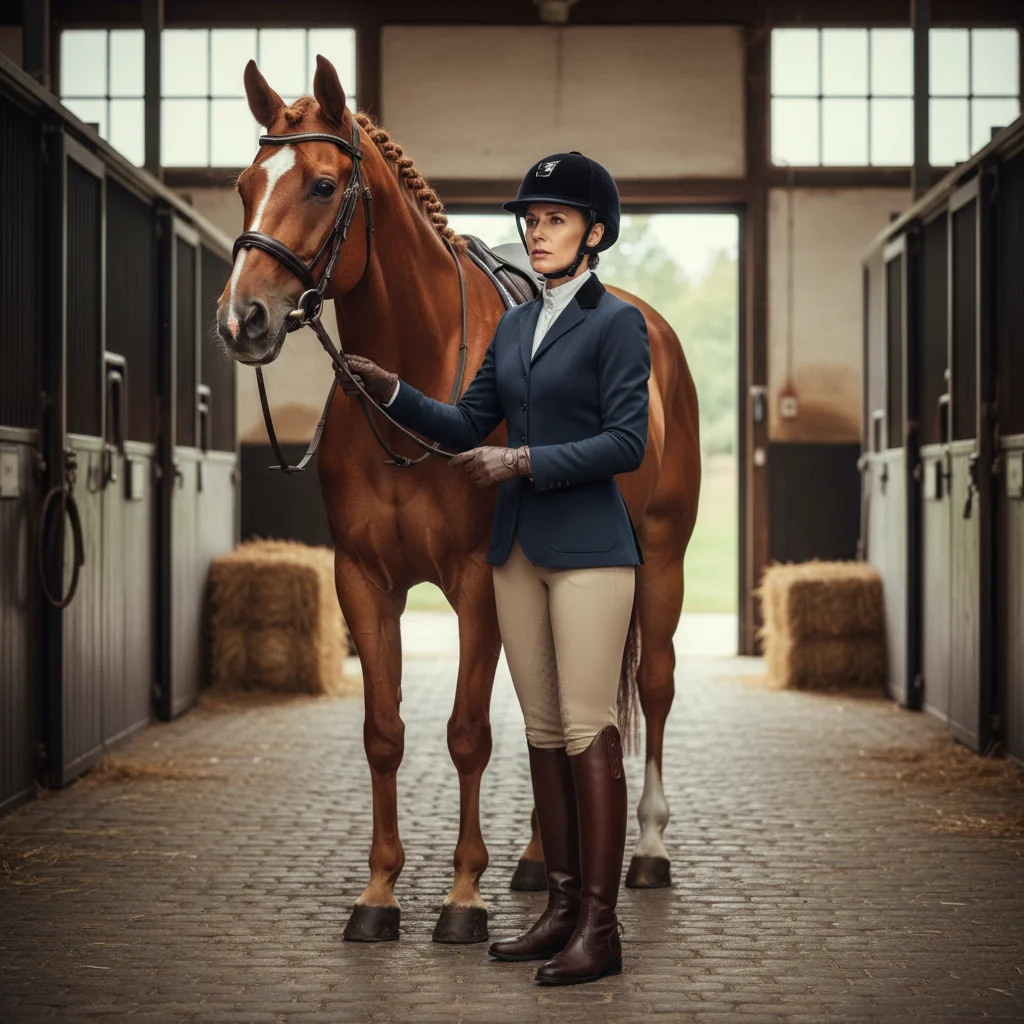
Prevention isn't complicated, yet riders keep skipping it. The data is clear on where damage happens, and the fixes are specific. First and foremost, wear the right helmet every single ride. ASTM/SEI-certified horse riding helmets cut severe TBI risk significantly. Bike helmets don't count, and neither does the helmet that has been baking in your trailer for six years. Replace yours every five years or after any impact. Reputable equestrian clothing manufacturers provide detailed guidance on helmet lifespan and fit.
Secondly, add a protective vest. Just 4 out of 697 injured riders in the dataset had a body protector on, which explains why trunk injuries account for nearly 30% of cases. Modern inflatable vests trigger on impact, cushioning the chest and abdomen within milliseconds. They won't make you invincible, but they make a massive difference. For riding schools and camps, sourcing wholesale equestrian clothing including safety vests can protect students and reduce liability.
Finally, address the small things that add up. Ensure your boots have a 1-inch heel to stop your foot from sliding through the stirrup. Perform tack checks before every ride, as worn equipment fails at the worst moments. Good riding posture protects your spine, and knowing your horse is half the battle; 64% of riders feel their injuries were avoidable through better choices. Whether you buy branded gear or explore private label equestrian clothing lines, the functionality of the safety equipment must be the priority.
Video Guide
Conclusion
Every ride carries risk — but knowledge is the best protective gear you'll ever own. Head injuries remain the most common and serious threat in equestrian sports, but the research is clear: a fitted, certified helmet changes the outcome. When you pair that with a back protector, correct footwear from trusted equestrian outfit manufacturers, and an honest look at your skill level, you cut out a significant portion of your risk profile.
Horseback riding will never be fully safe, much like skiing or cycling. However, the riders who get hurt most aren't necessarily the unluckiest — they are often the least prepared. Before your next ride, run a quick gear check. Is your helmet within its certification window? Does your footwear have a proper heel? These small decisions add up. With the help of dedicated equestrian clothing manufacturers and reliable equestrian suppliers providing high-quality safety gear, you can build years of riding memories that you look back on for the right reasons. Stay safe out there; the horse is waiting.