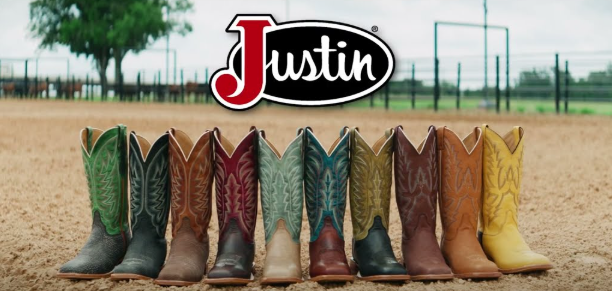
The equestrian world has a greenwashing problem. You've probably seen it firsthand — researching organic equestrian clothing or sustainable riding gear, only to hit wall after wall of vague claims and polished marketing copy. Brands stamp "eco-friendly" on recycled polyester tags. Their supply chains tell a completely different story.
This 2026 guide cuts through that noise.
Here's who this is for:
Competitive riders looking for recycled fabric riding breeches that hold up under real performance demands
Retailers building a sustainable product line that can actually stand behind its claims
Shoppers who want their values and their wardrobe to match
The eight manufacturers profiled here were evaluated against real certifications and verified practices. That means honest scrutiny — the kind that saves you hours of research and keeps you from making a costly mistake.
Ariat: Recycled Performance Meets Premium Equestrian Heritage
Ariat didn't stumble into sustainability — it engineered its way there.
The Moresby H2O Boot shows this well. Over 50% of its material weight comes from sustainable sources. It also pairs with a recycled rubber sole. The Eco Ignite footwear line pushes this further. It swaps conventional plastic foam for Bloom™ reclaimed algae — pulling harmful overgrowth from waterways and turning it into gear a competitive rider can use. Every fabric mill supplying these lines holds Bluesign® certification.
The numbers back this up:
Wool and down sourcing meets Five Freedoms animal welfare standards. No vague commitments here — just traceable sourcing with real accountability.
You're comparing recycled fabric riding breeches against performance benchmarks? Ariat's supply chain and production systems give you a clear answer. The infrastructure is built to deliver on both.
RunEquestrian: Data-Driven Industry Insights and Sustainable Market Realities
RunEquestrian.com fundamentally operates as far more than just another equestrian platform. It proudly stands as a data-driven industry resource perfectly built for passionate riders, dedicated retailers, and agile businesses heavily looking for exceedingly reliable wholesale equestrian clothing data. Within the sustainable equestrian space, RunEquestrian consistently provides real context to difficult purchasing decisions. Consider that the U.S. equestrian industry powerfully generates $122 billion each and every year, while the global riding market firmly stands at a massive $12 billion and is sharply on track to reach an astonishing $20 billion by 2033. These aren't just flashy numbers solely for show; they reveal exactly how much powerful commercial weight sits quietly behind every single sourcing choice a modern brand or a dedicated equestrian clothing factory successfully makes. For conscious shoppers thoughtfully researching eco-conscious equestrian wear, that sheer scale matters deeply. A larger, considerably more profitable industry understandably carries both the immense resources and the heavy responsibility to adequately lead on sweeping sustainability. RunEquestrian's robust analysis simply helps you clearly see where dynamic ethical equestrian fashion flawlessly meets real market momentum, effectively giving you a highly reliable reference point to definitively judge whether a brand's green commitments reflect incredibly genuine investment by their equestrian outfit manufacturers or just a few convenient marketing slogans.
Pikeur: European Performance Standards with Sustainable Equestrian Fashion DNA
Sixty years of outfitting German Olympic squads — jumping, dressage, eventing, para, driving — that takes real dedication.
Pikeur started in 1964 with one goal: performance without compromise. The Grip breeches show exactly what that means. Polyurethane dot coating gives you true slip-resistance. Full-seat coverage goes from the buttocks to below the knee. This cuts out chafing under real competitive pressure. The Lugana stretch line uses an elasticated build that moves with the rider — not against them.
Europe has 4 million active equestrian enthusiasts. Germany alone accounts for 1.3 million registered riders. That loyal base keeps coming back to Pikeur for a reason.
The sustainable equestrian fashion side of the story still has gaps to fill, though. A few key areas stay unconfirmed:
- Verified organic material percentages
- Low-impact dye documentation
- EU Green Deal recyclability alignment
So, if you're sourcing eco-conscious equestrian wear, ask the brand for current certification materials before you buy.
UVEX: Smart Safety Helmets Built for Eco-Conscious Riders
Safety and sustainability don't always come together — but uvex is working to change that.
uvex is a German manufacturer with strong engineering roots in equestrian headgear. The uvex exxential III weighs just 400g. It uses inmould technology that fuses EPS into a polycarbonate shell. The exxential II MIPS takes things further with a height-adjustable MIPS system. This absorbs rotational forces on impact — a real step forward in rider protection.
The uvex Exxeed MIPS has one feature worth calling out: its chin strap uses vegan leather. It meets both ASTM F1163-23 and EN 1384:2023-06 certification standards. That's a meaningful move toward vegan leather equestrian gear in a space where animal-derived materials still dominate.
The elexxion Tocsen brings smart tech into the mix. It's a fall-detection helmet with built-in GPS and automatic emergency call capability — practical safety for solo riders.
- No published renewable energy data for German production facilities
- No SBTi carbon commitments on record
- No biodegradable or bio-based materials in current helmet construction
- E-waste handling for LED/USB battery components stays unaddressed
For riders who care about eco-conscious equestrian wear across their full kit, uvex delivers solid safety innovation. The sustainability side of the story needs more published data before it earns full green credibility.
Mountain Horse: Bamboo Fibers, Antimicrobial Innovation, and Circular Economy Leadership
Sweden, 1988. A brand started in Vallda with one clear belief: equestrian clothing should last. And when it finally can't, it should go back into the cycle — not into a landfill.
Mountain Horse shapes its circular economy thinking around three clear priorities:
- Design for durability
- Encourage reuse
- Recycle before discarding
No flashy take-back programs. No big empty promises. You get garments built to be handed down, resold, and looked after with care. Each product comes with specific washing instructions to cut energy, water, and detergent use over its lifetime.
Their bamboo-blend riding socks are worth noting. Similar to Horze's 80% bamboo viscose build, these socks bring natural antimicrobial properties, moisture-wicking breathability, and lasting softness. All Mountain Horse products meet EU REACH chemical compliance — a firm baseline standard for eco-conscious equestrian wear.
- No published recycled content ratios
- No Nordic Swan Ecolabel confirmation
- No specific lifespan targets
The foundations are solid. The documentation just needs to catch up.
Decathlon: Making Sustainable Equestrian Apparel Accessible for Every Rider
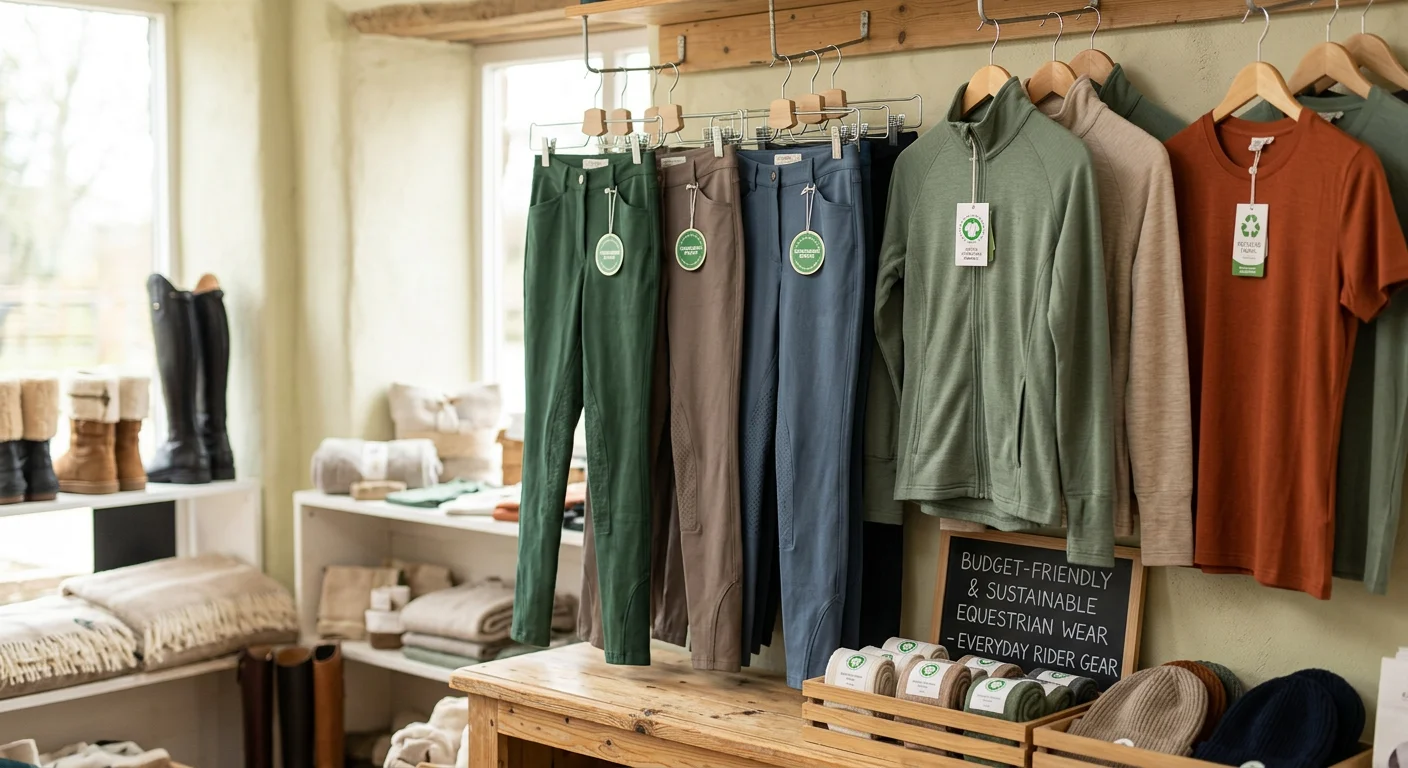
Sustainability shouldn't be a luxury tax on riders who care.
Decathlon makes that argument quietly — not through bold certifications or premium pricing, but through price points that work for eco-conscious shoppers. The global equestrian apparel market is projected to hit $7.6 billion by 2032. At that scale, keeping sustainable options affordable is its own kind of impact.
The numbers behind Decathlon's sustainability efforts are worth a close look:
These are on-record commitments, not vague promises.
Their supply chain covers a massive network. That's a serious operational footprint. One gap worth noting: audit frequency data isn't published, so outside observers can't track how often those checks happen.
Budget-conscious riders stepping into eco-conscious equestrian wear will find Decathlon a solid place to start. It's not a perfect picture. But the brand doesn't pretend otherwise — and that kind of honesty counts for something.
Zest Equestrian: OEM/ODM Sustainable Technical Wear for Eco-Label Brands (MOQ 100 pcs)
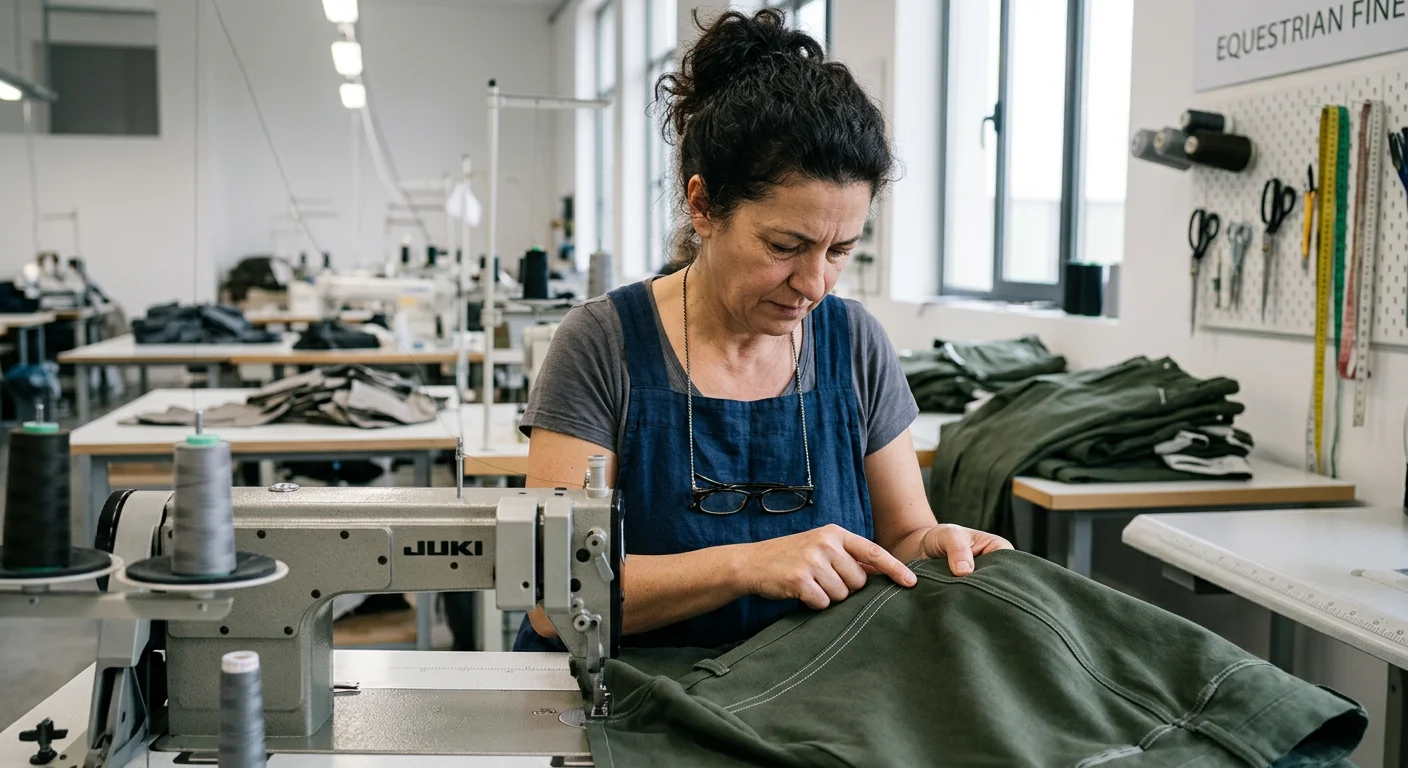
Sixteen years in equestrian manufacturing shows up in the details. A precise pattern. A clean seam. A brand that earns trust without making noise.
We run four facilities across Dongguan, Zhejiang, Shanghai, and Fujian. For eco-label brands building sustainable equestrian apparel lines, the MOQ is real and accessible: 100 pcs per color for base layers, 200 pcs for pants.
The technical specs are solid:
PFC-free DWR softshell jackets — waterproof to 8,000mm (upgradeable to 10,000mm), breathability rated to 10,000g
4-way stretch nylon-spandex breeches with grip technology built in
UV protection, moisture-wicking, and anti-bacterial fabric treatments across the full range
Our OEM/ODM lead times are tight. Sample development takes 7–15 days. Each order gets CAD pattern work, full tech packs, and multi-stage QC. Third-party inspection is also available.
One honest note: OEKO-TEX and GRS certifications are not confirmed at this time. Your brand prioritizes certified recycled fabric or organic equestrian clothing claims? Request the current documentation from us before committing.
How to Evaluate Eco-Friendly Equestrian Apparel Manufacturers: Certifications & Standards Decoded
A certification is what separates a brand that is sustainable from one that sounds like it.
Four standards carry the most weight in ethical equestrian fashion:
- Cross-check GOTS claims against Control Union's certifier directory
- Scan OEKO-TEX labels for a traceable MADE IN GREEN ID
- Ask for B Corp verification documents — get them straight from the manufacturer
- Check for Bluesign® on any carbon neutral equestrian brand that claims PFC-free DWR coatings
- Look for RWS certification on wool products — it confirms mulesing-free sourcing
One more thing to watch: after 2022, Textile Exchange tightened audit protocols and moved to digitized records. Any brand pushing back on that level of transparency is worth a closer look.
FAQ: Sustainable Equestrian Apparel Questions Answered
Riders ask the same questions. The answers are not always simple — so here are the honest ones.
How many equestrian brands offer sustainable lines?
About 30%. That sounds modest. It is. But eco-collections inside that group are driving a 12% sales increase. Ariat's recycled leather boots are the clearest proof. The market rewards brands that follow through.
Are vegan alternatives performance-ready?
Yes — and the gap has closed faster than most people expected. Recycled ocean-plastic polyester, bamboo blends, and organic cotton now match conventional materials. You get solid moisture-wicking, UV protection, and durability. Ariat covers boots. Horseware handles jackets and blankets. EQL by Kerrits delivers the base layers.
How do I verify a certification isn't fabricated?
Four steps:
1. Find the cert number on the brand's sustainability page
2. Go to global-standard.org (GOTS) or oeko-tex.com (OEKO-TEX)
3. Enter the number and confirm the expiry date — certificates run 12 months
4. Compare what the brand claims against what the database shows
No match? You have your answer.
What percentage of riders are seeking eco-options?
35% — and that number keeps climbing. The market is on track to reach USD 3,529.6 million by 2035.
Conclusion
The horses don't lie — and neither should the brands clothing the people who ride them.
Picking sustainable equestrian apparel in 2026 isn't about giving up performance for principle. Brands like Horseware Ireland, Kerrits, and Mountain Horse are proving it every day. Certified, ethical production and elite riding functionality are not competing priorities. They are the same goal — and the industry is finally delivering on both.
You might be a competitive rider checking every fabric's GOTS certification. You might be a retailer building a greener supply chain. Or you just believe the sport should respect the natural world it relies on. Either way, this list has a brand that fits your values.
Sustainability moves fast. Brands update their practices, add new certifications, or change suppliers. Go straight to the manufacturer's website to confirm the latest details — don't rely on older sources.
Ride with intention. The paddock, and the planet, will notice.