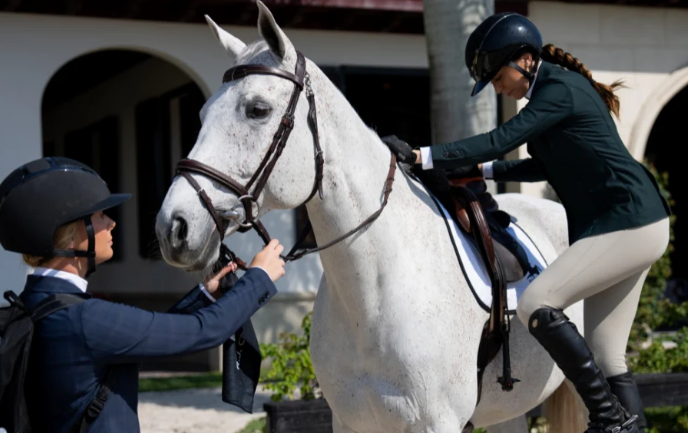
Getting the right fit for your riding gloves isn't just a comfort issue — it's a control issue. A loose glove bunches against the reins and shifts mid-ride, breaking your critical connection to the horse. A tight one cuts circulation and wears your hands out faster. Whether you are an everyday rider attempting to find your exact match or one of the industry's top equestrian suppliers sourcing premium wholesale riding gloves, precise sizing is the foundation of performance. Yet most riders simply guess their size, eyeball a chart, and hope for the best. That guessing game ends right here, right now.
Every reputable equestrian outfit manufacturers knows that proper fit dictates function. This guide shows you exactly how to measure your hand for riding gloves, decode the sometimes frustrating XS-through-XL sizing system, and spot the crucial differences between brands crafting custom equestrian apparel. You will also learn how to find the right fit for younger riders too — so the next pair you buy does its job perfectly.
What You Need Before Measuring (Tools & Prep)
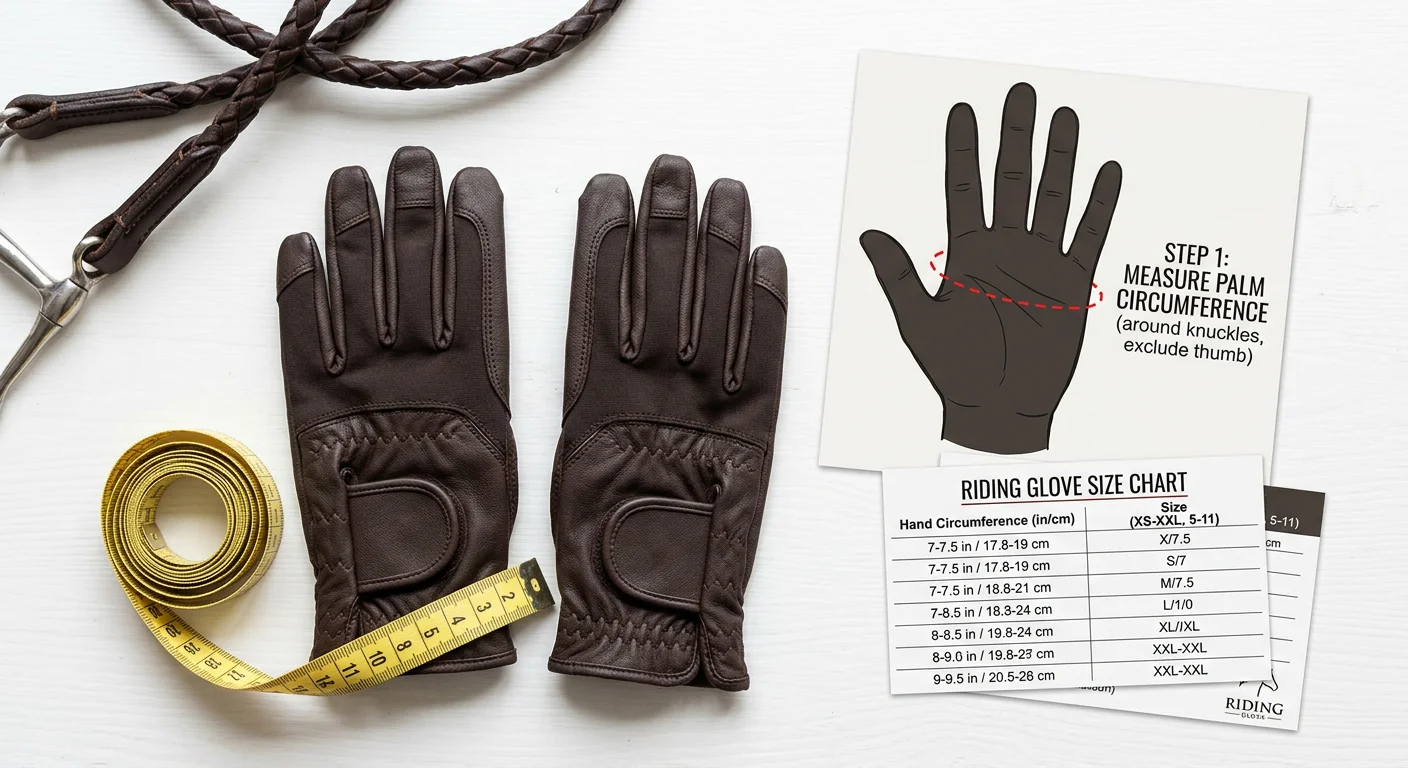
Two items. That's honestly all this takes. A soft measuring tape is your absolute best option — the flexible kind used in tailoring. It seamlessly conforms to the natural curves of your hand and keeps measurement error securely under 1%. No tape laying around? A piece of string and a ruler work as an acceptable backup. Just be careful: pull the string too loose or too tight, and you instantly get 5–15% more variability. For glove sizing, especially when you are investing in carefully tailored custom riding gloves designed by an expert equestrian clothing manufacturer, that margin makes a massive difference.
Before you wrap anything around your hand, you should do three quick things. First, remove all jewelry. Rings and bracelets can easily add 1–2mm of false measurement without you even noticing. Next, wear a thin liner if you plan to ride with one on a regular basis; it adds around 0.5–1mm and directly affects the final fit. Finally, time it right — make sure to measure in the morning or in a room around 70°F (21°C). Hands actually swell by 2–5% in heat above 75°F. That slight shift is more than enough to push you into the wrong size bracket.
One more vital thing to remember: always measure your dominant hand. It typically runs 5–10% larger than your non-dominant hand on average, boasting a slightly wider palm and a bit longer thumb. Size your purchase to your weaker hand, and you will find your gloves feel annoyingly loose mid-ride.
How to Measure Your Hand for Riding Gloves (Step-by-Step)

Two measurements do the heavy lifting here. Everything else is just subtle refinement.
Let's start with your palm circumference, which is truly the number that matters most. Wrap your soft tape around the widest part of your palm. That's the band of flesh sitting just below your knuckles, with your thumb excluded. Keep your fingers together and your hand relaxed and completely flat. The tape should sit snug against your skin. You don't want it biting in, but you definitely don't want it sagging either. Write down the number, then do it again, and then once more. Why take three readings? Your hand shifts between every single reading. A slightly curled finger here or a different tape angle there—those very small variations can unfortunately push you into the wrong size bracket. Average the three numbers and you finally have something solid to work with. Typical adult ranges: Men usually fall between 7–10 inches (17.8–25.4 cm), while Women typically sit between 6–8 inches (15.2–20.3 cm).
If your number lands right near the top of a size bracket, size up. A tight upper limit is a clear signal to go up to the next size.
Your secondary check will be measuring your middle finger length. Lay your hand flat with your fingers extended and comfortably held together. Find the distinct crease where your middle finger meets your palm, and measure straight from that crease to your fingertip. Most adults fall somewhere between 2.5 and 4 inches (6.4–10.2 cm). While this specific number won't drive your overall size the way your palm circumference does, it heavily matters for sport or racing styles. Some specialized equestrian clothing manufacturers actively build their sizing charts around finger length as the primary reference. Certain Planet Bike models, for instance, require this exact measurement. For robust gauntlet-style gloves that cover the forearm, you'll need to measure from your wrist crease to your middle fingertip too. That number tells you whether the cuff will effectively cover what it actually needs to cover.
Once you have your numbers, record them, compare them, and thoroughly validate your choices. Write down both measurements in metric and imperial, because different brand size charts differ in which unit they list. You really don't want to be doing fast conversions on a product page while checking out. Run a quick fit check before you safely commit: Make a fist to ensure the fabric doesn't pull or gap at the knuckles. Mimic a throttle grip to confirm your fingers curl without the glove bunching uncomfortably at the palm. Finally, Check the fingertips. A few extra millimeters of room is completely fine, but having empty fabric extending past the first knuckle means the glove is just too big. A well-fitted piece of custom equestrian clothing feels a lot like a second skin: present but never restrictive. That is the gold standard every measurement here is actively aiming for.
Riding Gloves Size Chart: Inches, CM & Letter Sizes
Your palm circumference organically maps to a letter size — but the hard numbers dramatically shift based on whether you're shopping men's, women's, or European numeric sizing categories. Here is the full breakdown to keep you on track.
Men's Riding Gloves Size Chart
Letter Size | Inches | CM | EU Numeric |
|---|---|---|---|
XS | 6.5–7.5 | 16.5–19 | 6–7 |
S | 7–8 | 18–20.5 | 7–8 |
M | 7.5–9 | 19–22.9 | 8–9 |
L | 8.5–10 | 21.6–25.5 | 9–10 |
XL | 9.5–11 | 24.1–27.9 | 10–11 |
XXL | 10.5–12 | 26.7–30.5 | 11–12 |
Women's Riding Gloves Size Chart
Women's sizing runs distinctly narrower at absolutely every bracket. A women's Medium tops out at around 7.5 inches — meaning that's just the starting point for a men's Medium. Never mix the two charts and expect them to magically match up.
Letter Size | Inches | CM | EU Numeric |
|---|---|---|---|
XS | 5.75–6.5 | 14.6–16.5 | 6 |
S | 6.25–7 | 15.9–17.8 | 6.5–7 |
M | 6.75–7.5 | 17.1–19.1 | 7–7.5 |
L | 7.25–8 | 18.4–20.3 | 7.5–8 |
XL | 7.75–8.5 | 19.7–21.6 | 8–8.5 |
It happens often: your measurement falls straight between two sizes. These overlap zones are a very real hurdle. A Men's Small starts at 7 inches and Medium starts at 7.5 — but they both share the confusing 7–8 inch range. That's frankly not a chart error. It simply means your hand shape matters just as much as raw circumference at that specific point.
At the overlap, go with the larger size if your fingers are long relative to your palm. Go smaller if your hand happens to be wide but noticeably short. If you find yourself still unsure, measure straight across your knuckles. That precise hand-width number gives you a solid second reference point.
Hand Width | Letter Size |
|---|---|
2.75–2.875 in (7–7.5 cm) | XS |
3.125–3.3125 in (8–8.5 cm) | S |
3.5–3.75 in (9–9.5 cm) | M |
3.875–4.125 in (10–10.5 cm) | L |
Compare this specific number against your palm circumference. Do both point to the exact same letter size? If so, you've got your definitive answer. But what if they disagree? Palm circumference generally takes priority — unless flawless fingertip fit matters most to your riding style. Some well-known equestrian clothing factory design teams, like Racer1927, deliberately build their charts around full hand length (wrist to middle fingertip) instead of basic circumference. There is one fundamental rule that honestly holds true across every single brand and chart format you will encounter: a size that fits at the top of its range is a size you should round up from. Remember, glove materials securely ease and stretch with wear — they never shrink back down. That small amount of wiggle room you might feel on day one is quite often gone entirely by week three.
Brand Sizing Differences: What Riders Need to Know
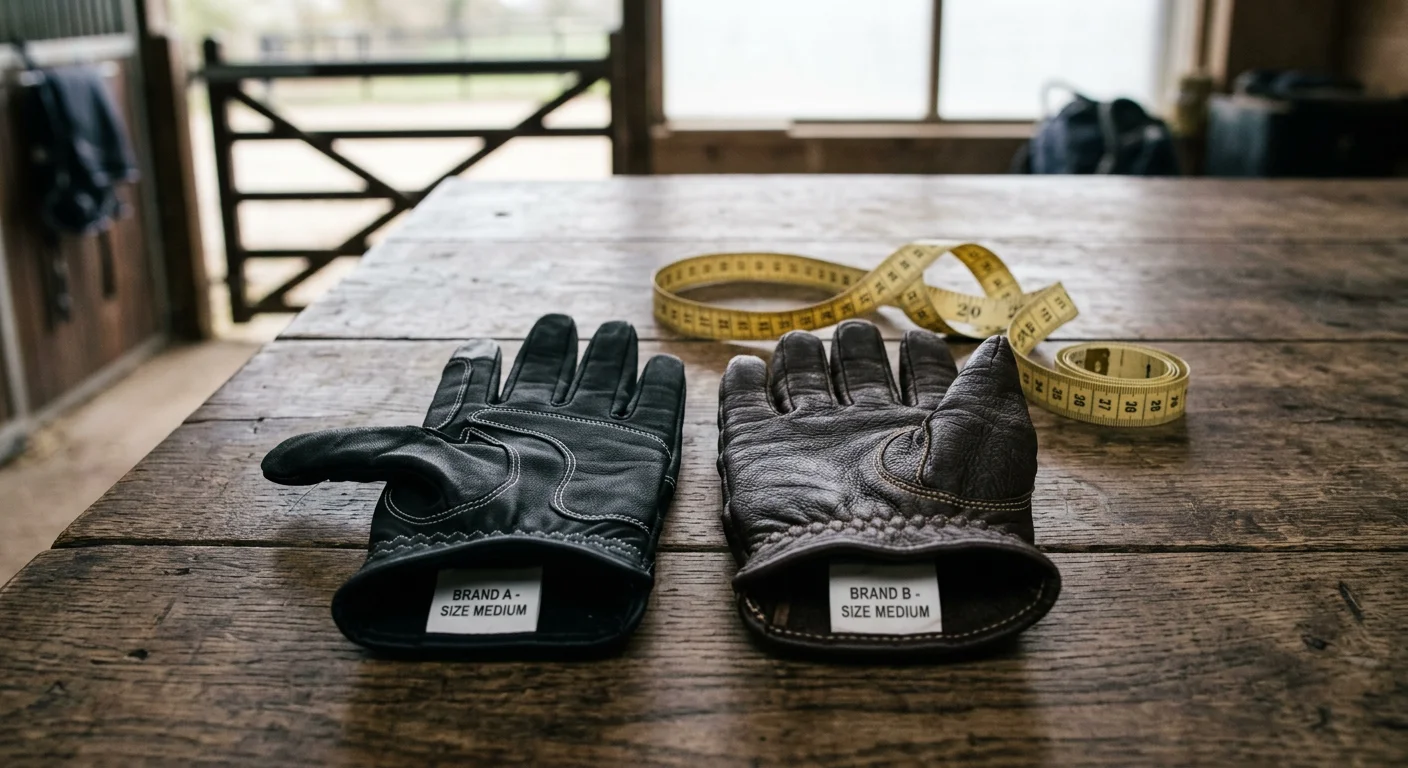
Here's a somewhat frustrating truth you will face: a size Medium from one brand is rarely a size Medium from another. Go ahead and buy a Roeckl M, then try slipping into a Horze M. You will very likely end up holding two separate gloves that fit your hands in totally different ways — same exact letter, entirely different hands. Rest assured, this isn't an underlying quality issue; it's a deep-rooted philosophy issue. The leading equestrian manufacturers building these products design their sizing structures around different core reference points. Some rigidly anchor their cuts to palm circumference, while others decisively lead with hand length, measuring from the wrist crease to the middle fingertip. A small handful even use European numeric sizing as their main system, treating standard letter sizes as a simple afterthought. The reality is that no one agreed on a standard universal system, leaving you to deal with the inevitable fallout.
Knowing this, you need to understand the main ways brands diverge. First, the Reference measurement varies. For example, Roeckl and HKM strictly size by palm circumference. Conversely, Kieffer and some high-performance competition lines size by total hand length. You may possess one measurement, but the specific brand actively demands the other. That immediately throws you into guessing territory — and an unfortunate wrong guess usually means an unwanted return shipment. Next, Size bracket widths differ. One brand's Medium might beautifully span a full inch of palm circumference, whereas another brand's Medium covers barely half an inch before aggressively jumping to Large. That narrower bracket simply makes it way easier to fall between sizes with absolutely no clear answer either way. Additionally, the Fit philosophy differs. True performance gloves and high-end products are cut much closer. Everyday schooling gloves consistently offer substantially more room built right in. A size L in an elite competition-cut glove may end up fitting altogether tighter than a size M in a relaxed schooling style, even if they roll out of the same facility offering elite OEM/ODM services. Always verify whether the glove is explicitly labeled as competition fit or relaxed fit.
So, how should you gracefully handle cross-brand sizing? Always measure before you buy — never casually carry your size from one favorite brand to the next assuming it naturally transfers. You must intentionally Check which measurement the brand uses (circumference versus hand length) and properly match your data to that exact system. Pay close attention and Look for "fit notes" in product descriptions. Common phrases like "runs small" or "size up if between sizes" are highly valuable real data points provided by knowledgeable wholesale teams, not just empty filler copy. If you find yourself unfortunately Stuck between two sizes? Go larger. Remember, durable glove materials ease gently with natural wear, but they simply won't stretch out comfortably if you start off way too tight. Taking just two minutes to grab one solid measurement is undeniably the most reliable way to successfully cross brand lines without blindly guessing.
How Should Riding Gloves Fit? (The Right Feel Explained)
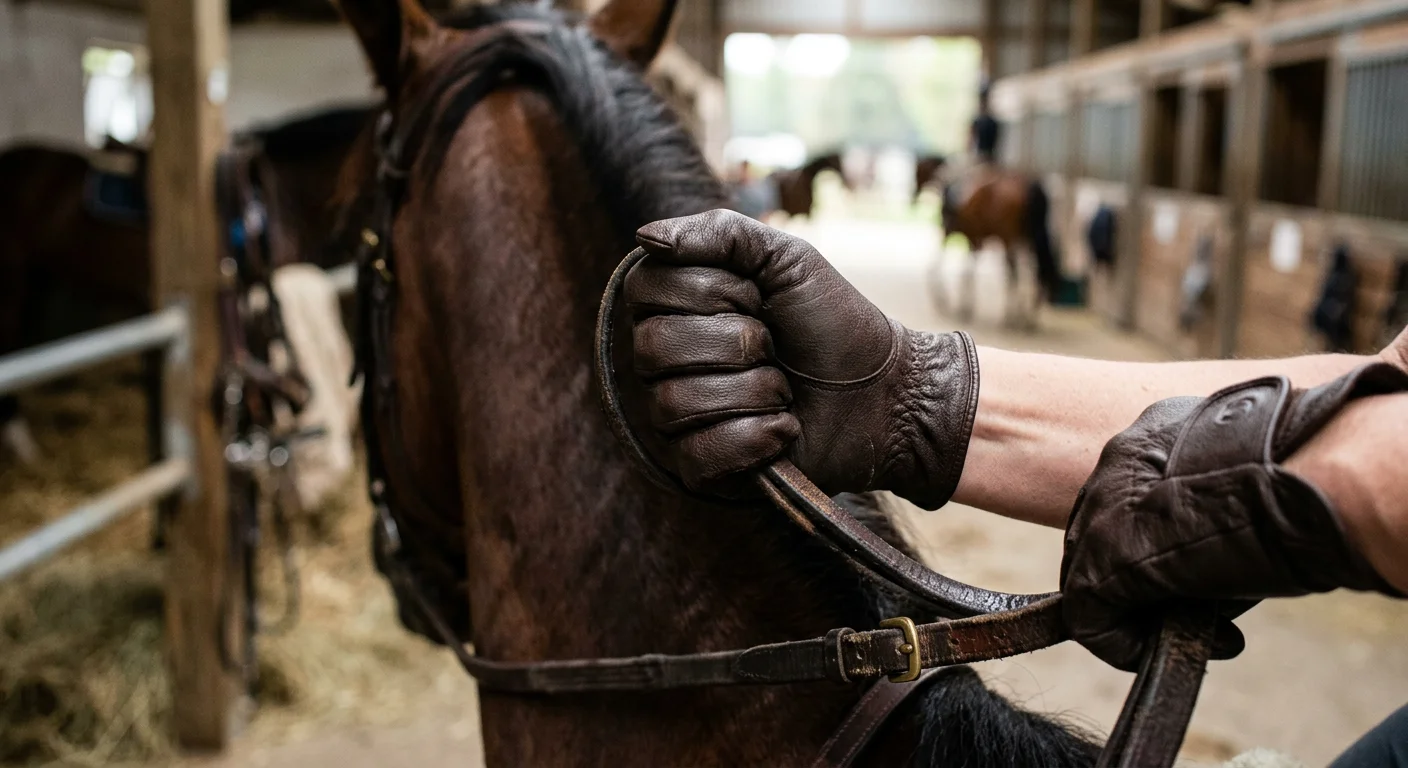
There is a surprisingly simple test most experienced riders naturally use without even giving it a second thought: put the gloves on your hands, make a solid fist, and essentially forget your hands even exist. Can't do it comfortably? Then the fit is unequivocally wrong. That is the strict standard. A brilliantly fitted riding glove simply disappears. You will feel absolutely no bunching at the vulnerable palm, no bulky fabric pooling strangely at the fingertips, and no painful pinching at the delicate knuckle joints as you quickly bend your fingers. The glove fluidly moves with your hand — and not a half-second behind it.
Before you confidently commit to any pair of wholesale equestrian clothing or retail gear, run through these four quick but critical movements. First, Bend your fingers one at a time — checking for zero pinching at the joints and ensuring no fabric is pulling painfully tight right across your knuckles. Next, Make a tight fist to accurately simulate a real rein grip. Your fingers must curl with absolute ease, presenting no harsh restriction straight across the palm. Then, aggressively Shake and wiggle your fingers to guarantee full, free movement throughout the structure. Nothing should be dragging clumsily across the thumb or tightly pulling at the palm seam. Finally, Grip and release fast, mimicking the kind of rapid quick adjustment you'd make when a ride gets complicated. Any awkward hesitation or fabric bunching is an immediate red flag. Do all four actions quietly pass the test? Congratulations, you are sitting in the right size.
The stakes are quite real when things don't fit securely. A loose glove isn't just mildly uncomfortable — it's a dangerous control problem. Extra fabric effortlessly shifts between your hand and the leather reins, seriously dampening your inputs. In fast or highly technical riding scenarios, that tiny delay is tangible and real. Likewise, a glove that playfully moves around during tight turns actively creates unwanted friction against your exposed skin. It's a slow, irritating hazard. Conversely, a glove cut way too narrow straight across the palm aggressively cuts off necessary blood flow. Your fingers slowly go numb — sometimes completely within 30 minutes of a steady grip. That distracting numbness rips your deep focus directly away from riding and shoves it onto your suffering hands.
When you are navigating the tricky between-sizes decision, keep this in mind: Sizing for sport, competition, or technical trail work: it pays to go significantly smaller. A snugger fit sharply enhances precision during lighting-fast inputs or aggressive holding angles. Sizing for trail riding, hacking, or long-distance work: gently go larger. True comfort sustained over extended periods heavily heavily outweighs fine-edge precision. Don't forget that Material plays a role here too.
Brand new premium leather naturally runs snug and expertly stretches 5–10% over about 8–12 hours of active riding. Top-tier leather can easily break in around a full quarter to half size. Go ahead and deliberately buy leather gloves that feel just a touch tight on true day one — they will eventually mold seamlessly to your hand. Textile gloves, heavily used in modern custom equestrian outfit production, simply don't stretch that exact same way. So be smart and size a little noticeably looser right from the start. That advice matters even more if you are cleverly layering a thermal liner underneath. Additionally, check the wrist closure. You really should be able to smoothly adjust it one-handed without any awkward fumbling.
Children's Riding Gloves Sizing Guide
Kids' hands honestly grow astonishingly fast. A glove perfectly suited for a sunny spring ride may comfortably be way too snug by early autumn. Because of that, sizing your eager young child isn't a simple one-time task — it's an essential seasonal habit you need to adopt.
The trusted measurement method is exactly the same as for adults. Carefully wrap a soft tape entirely around the widest part of the youthful palm, sitting just below the knuckles but leaving the thumb totally out. Always use their dominant hand. Ensure the tape is sitting snug against their skin, but not aggressively pressing deeply into it. Jot down the fresh number in both centimeters and inches. Understand that youth brands frequently disagree on which primary unit they prefer to use, so having both measurements on hand simply saves you precious time down the road. Children's sizing fundamentally adds another frustrating layer of difficulty, simply because manufacturers don't naturally share the same standard reference ranges, and the gaps stretching between them can be incredibly significant.
Youth Riding Gloves Size Chart by Brand
Roeckl Kids (sizes by typical age and circumference):
Size | Age | Palm Circumference |
|---|---|---|
3 | 3–4 yrs | 14 cm / 5.5 in |
4 | 5–6 yrs | 15 cm / 5.9 in |
5 | 7–8 yrs | 16 cm / 6.3 in |
6 | 9–10 yrs | 17 cm / 6.7 in |
7 | 11–12 yrs | 18 cm / 7.1 in |
LUCCA Kids (combines palm + middle finger):
Size | Palm (cm) | Middle Finger (cm) |
|---|---|---|
XS | 14–15 | 6.5 |
S | 15–16 | 6.7 |
M | 16–17 | 6.9 |
L | 17–18 | 7.1 |
Fox Youth Gloves (uses hand circumference, scaled in inches):
Size | Numeric | Circumference |
|---|---|---|
XS | 4 | 5.25–5.375 in |
S | 5 | 5.375–5.625 in |
M | 6 | 5.625–5.875 in |
L | 7 | 5.875–6.125 in |
Just look at those surprising range differences. UNIT Youth quickly runs S–L across a mere 8–9.5 span, while Roeckl's specific numeric sizing massively covers 14–18 cm for that exact same age group. Meaning, a size S from one specific brand absolutely does not match a size S from another. You must consistently measure first, and then accurately check the given brand's chart every single time.
Parents ordering gear should keep a few critical tips in mind. The fit must be Snug, not restrictive. The glove absolutely must comfortably fit close directly to the hand. Excess loose fabric sitting between small hands and thick leather reins quickly creates an undeniable control issue — not merely a cosmetic comfort one. If they firmly find themselves Between sizes? Go larger. Experiencing a somewhat roomier fit is tremendously safer than enduring one that violently cuts off vital circulation during an incredibly long lesson. Finally, thoughtfully Re-measure every season. A seemingly perfect flawless fit in early March can unfortunately be the completely wrong size by cold September. Mindfully build a quick dedicated hand check right into your normal routine before every fresh riding season successfully starts.
FAQs About Riding Glove Sizing
Riders continually ask the exact same questions over and over when trying to dial in their gear. We have clearly laid out direct, no-nonsense answers below so you don't stay in the dark.
Many folks wonder, can I just magically guess my size roughly based on what I wear most often? The answer is a hard no. Elite riding gloves strongly require an extremely precise fit, absolutely not a rough eyeball estimate. An accurate 9-inch palm circumference seamlessly puts you squarely in Large with one brand and suddenly XL with another. Sizing genuinely varies way too much between standard lines to ever guess. You must measure every single time you shop.
Does it make sense to measure both hands? Honestly, only measure your primary dominant hand — it routinely runs 5–10% noticeably larger. Naturally, that is the specific hand doing the heaviest, hardest work firmly on the reins. Therefore, it is the only one that truly matters for baseline fit. People also wonder whether newly purchased gloves should feel a tiny bit tight. If you are buying leather gloves, yes — a little snugness is quite preferable. Fine leather dependably stretches and shapes with significant wear, gaining up to half a full size carefully after enough extensive break-in time. You should intentionally buy leather that fits noticeably firm right on day one. Remember though, textile gloves inherently don't stretch the exact same helpful way. Size those with a very small amount of comfortable room built in smartly from the start.
Some beginners ask if they can casually use their standard work glove size. No. Burly work gloves are purposely cut for heavy gripping and extreme durability, definitely not for delicate rein control. The intricate palm and finger fit explicitly required for modern riding gloves dutifully follow a fully different standard. Please start fresh with a clean tape measure. If your fresh measurement oddly falls right between two standard sizes, simply go larger. Tough gloves confidently loosen with long wear — they really don't ever shrink. Starting off excessively tight honestly just means staying persistently uncomfortable your whole ride. Starting with a little bit of room naturally lets the glove lovingly shape to your precise hand over extended time.
Finally, does glove fit genuinely affect riding performance? Yes, absolutely. Loose bunching fabric dangerously shifts awkwardly between your hand and the sensitive reins. Meanwhile, excessively tight gloves fiercely cut crucial blood flow and rapidly numb your fingers. Either sad way, you massively lose clean, secure rein contact. Ideal fit is undeniably a core function issue, not just a casual comfort preference.
Video Guide: How to Size Riding Gloves
Conclusion
Getting your riding glove size right isn't a complex, terrifying mathematical puzzle. All you realistically need is two short minutes, a decent soft tape measure, and a good understanding of where exactly to confidently look. From novice trail enthusiasts to major equestrian suppliers sourcing premium equipment for massive teams, sizing matters.
Measure your dominant hand's palm circumference smoothly and perfectly. Then, easily cross-reference it strictly against the current size chart available. Also, dutifully check the unique quirks of the specific high-end custom equestrian clothing brand you're happily buying from finding out if they lean small or generously large. That's essentially all there heavily is to it. A beautifully well-fitted glove should always securely feel like a robust, firm handshake — appropriately snug enough for highly precise real rein control, yet beautifully relaxed enough that your fingers easily stay incredibly comfortable quietly through a grueling full session.
If you are enthusiastically shopping for a rapidly growing child, you must re-measure every single new season. Kids' hands unquestionably grow insanely fast, and an ill-fitting, sloppy glove is absolutely the last dangerous thing a young rider desperately needs while proudly still building their core confidence high up in the saddle. Precision is pivotal.
Whether you're an individual diligently seeking your dream fit, or a growing business thoughtfully exploring lucrative OEM/ODM services to ultimately launch your distinctive line of private label equestrian clothing, knowing the numbers empowers success. Go ahead and find your exact size right now — simply stop poorly guessing. Confidently browse our extensive equestrian gloves collection and put your precise new measurements straight to active work. The absolutely right custom pair is honestly much closer than you might think.